
- All
- Product Name
- Product Keyword
- Product Model
- Product Summary
- Product Description
- Multi Field Search


Views: 0 Author: Site Editor Publish Time: 2025-08-27 Origin: Site


When you pick a baby changing table, focus on what matters most for your family. Safety comes first. You also want to find something that fits your space, matches your budget, and suits your daily routine. The best changing tables make diaper changes easier and safer. Want to get started? Grab a tape measure, set your budget, and list your storage needs. You’ve got this—choosing from all the Change Tables out there can feel overwhelming, but you’ll find one that works for you.
Put safety first by choosing a sturdy changing table with guardrails, safety straps, and proper certifications.
Measure your nursery space carefully to pick a table that fits well and feels comfortable to use.
Look for storage options like shelves or drawers to keep diapers and supplies organized and within reach.
Choose a changing table that matches your budget and offers features you need for long-term use.
Consider flexible and portable designs if you need to move the table or save space in your nursery.
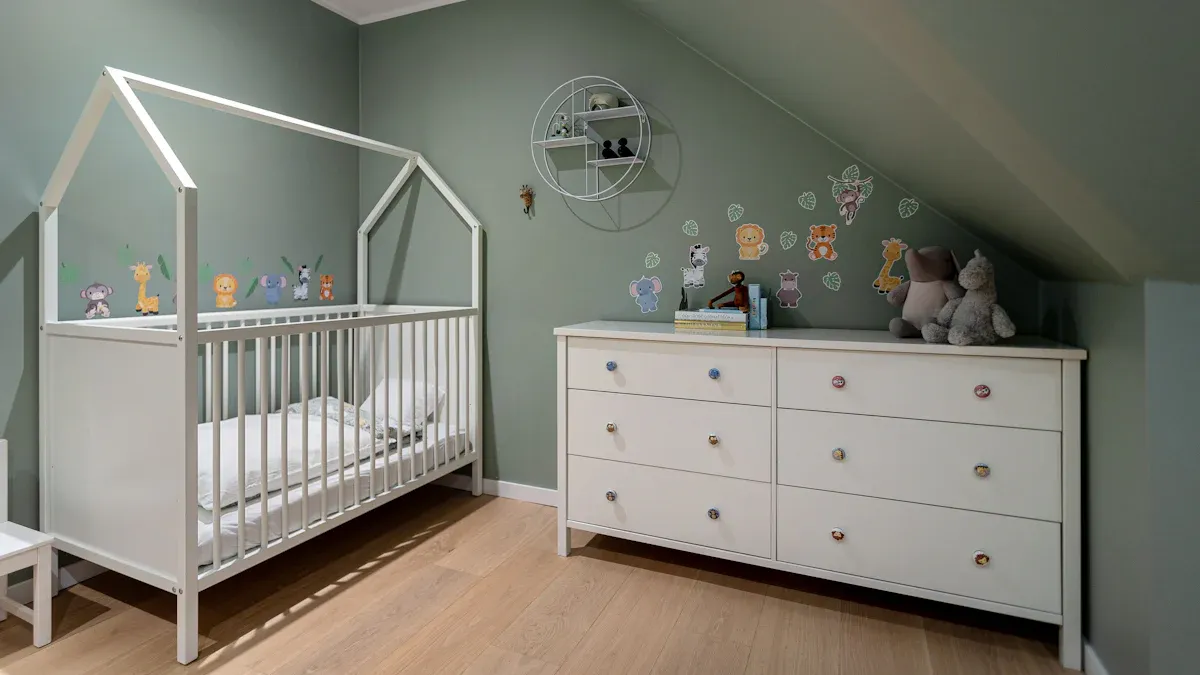
When you shop for a baby changing table, safety features should be your top priority. Look for sturdy construction and check for guardrails or safety straps. You want a table that meets the ASTM F2388-18 standard, which is required in the United States. This certification means the table has passed strict safety considerations set by the Consumer Product Safety Commission. Always check for rounded edges and stable legs. If you see a safety belt or anti-tip kit, that’s a plus.
Before you buy, measure your nursery. You need enough room for change tables without crowding your space. Here’s a quick guide to recommended dimensions:
Dimension Aspect | Recommended Size/Range | Why It Matters |
|---|---|---|
Depth | 20 inches or more | Safe changing surface |
Width/Length | 30–72 inches | Fits nursery, extra workspace |
Height | 32–34 inches (ideal) | Prevents back strain |
Free Space Around | 2.5–3x dresser depth | Easy movement |
Pick a baby changing table that fits your space and feels comfortable for you.
Think about your storage needs. Some changing tables come with shelves, drawers, or baskets. These storage options help you keep diapers, wipes, and creams close by. If you want extra storage space, look for a changing table dresser or a model with multiple shelves.
Materials matter for durability and style. Here’s a quick look at common choices:
Material | Durability & Features |
|---|---|
HDPE | Lightweight, resists stains and odors, easy to clean |
Stainless Steel | Very durable, upscale look, needs frequent cleaning |
Composite | Strong, stylish, resists scratches, higher cost |
Choose a baby changing table made from materials that fit your lifestyle and cleaning habits.
Do you need to move your table around? Portable change tables are lightweight and easy to fold. They work well in small spaces or for travel. If you want flexibility, consider a portable option.
Keeping your baby changing table clean is important. Pediatricians recommend you:
Wipe down the surface after every diaper change.
Disinfect after messy changes or illness.
Use fragrance-free, child-safe cleaning products.
Rinse surfaces babies touch after disinfecting.
Avoid harsh chemicals and overuse of antibacterial products.
Good cleaning habits keep your changing tables safe and hygienic.
You want your nursery to look great. Popular styles in 2024 include traditional, modern, and mid-century designs. Many parents love change tables with removable trays, extra-deep surfaces, and sustainable wood finishes. Look for safety features and certifications like Greenguard Gold or JPMA to match style with peace of mind.
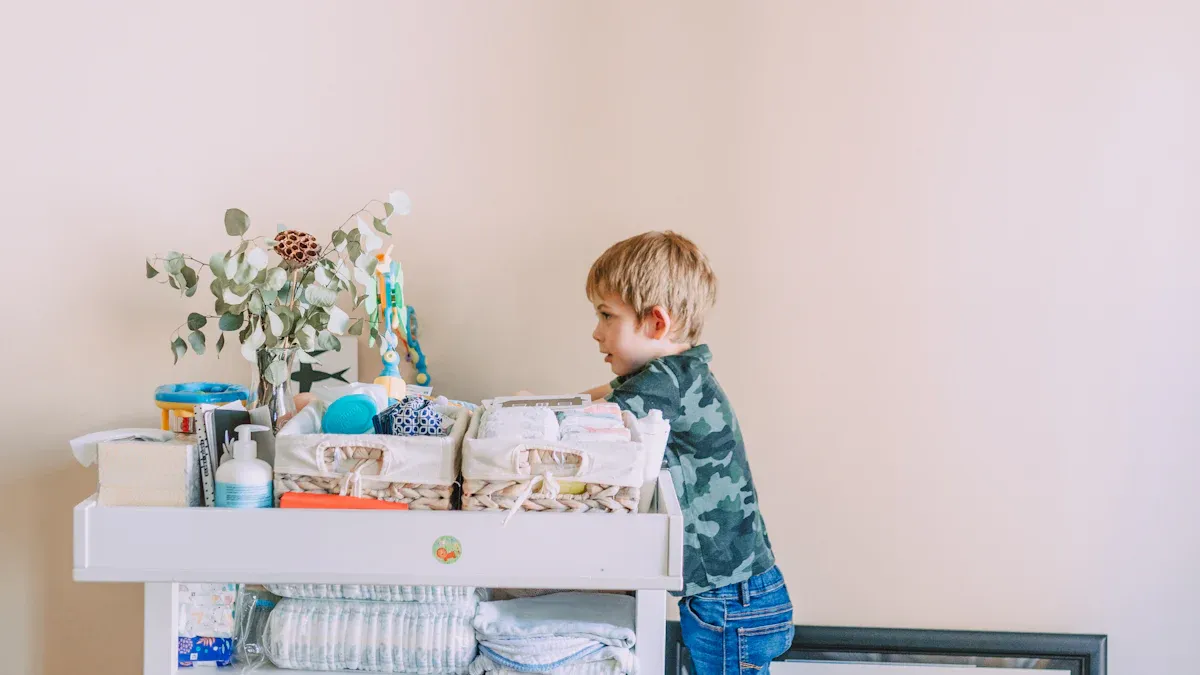
When you start looking at different types of baby changing tables, you’ll see a lot of options. Each style fits a unique need, so you can find one that matches your space, budget, and daily routine. Let’s break down the main types and what makes each one special.
Standard changing tables give you a dedicated spot for diaper changes. You get a simple design with a flat surface and safety rails. These tables often include built-in shelves or cubbies for storing diapers and wipes. You’ll find models like the Dream On Me Emily and Delta Children that are lightweight and easy to move. Standard change tables work well if you want something budget-friendly and portable. They’re perfect for small nurseries or if you plan to move your diaper changing station from room to room.
Tip: Standard changing tables usually have a limited lifespan. Once your baby is potty trained, you may not need them anymore.
Here’s a quick comparison between standard and dresser changing tables:
Feature | Dresser Changing Table | Standard Changing Table |
|---|---|---|
Functionality | Multi-purpose: dresser with removable changing topper; long-term use beyond diaper years | Single-purpose: designed only for diaper changing; limited lifespan |
Storage | Ample, enclosed storage keeps items neatly tucked away | Built-in shelves or cubbies, but more open and limited |
Versatility | Can be used as regular dresser after diaper phase | Becomes obsolete once baby is potty trained |
Portability | Heavy, bulky, not easily moved | Lightweight, portable |
Space Usage | Requires more space due to size | Smaller footprint but dedicated space needed |
Cost | Higher upfront cost but cost-effective long-term | Generally less expensive initially |
Safety | Often includes safety straps and raised edges | Requires additional accessories for safety |
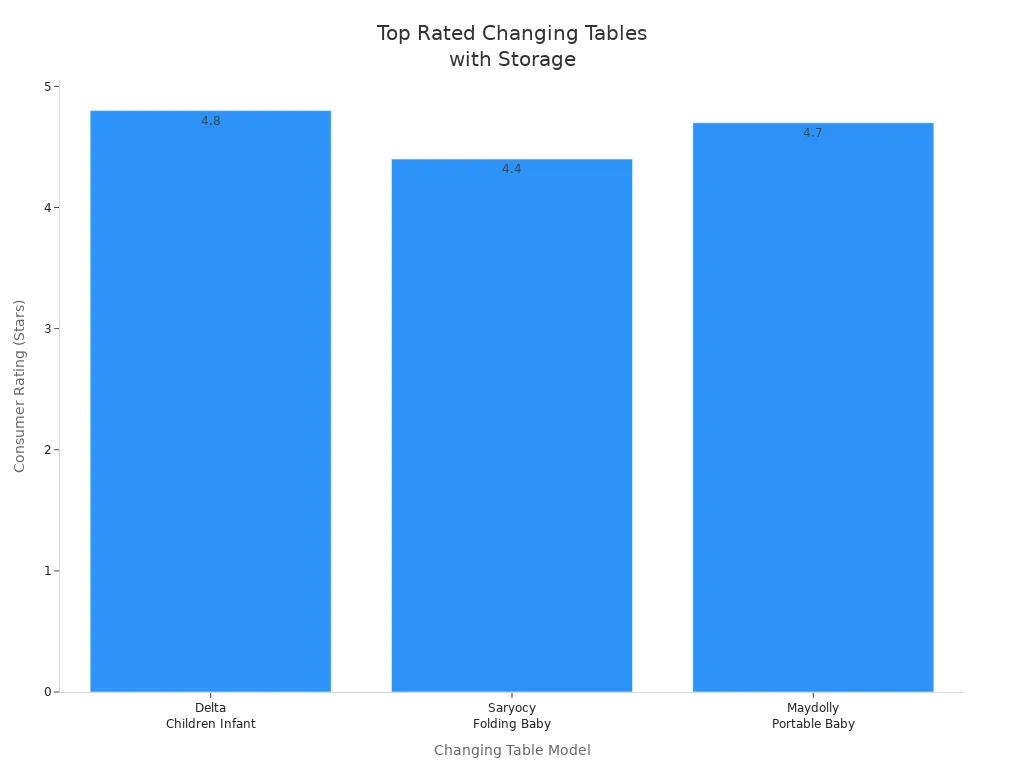
If you want to keep everything organized, change tables with storage are a smart choice. These tables come with shelves, drawers, or baskets for diapers, wipes, and creams. You can find highly rated models like the Delta Children Infant Changing Table, Saryocy Folding Baby Changing Table, and Maydolly Portable Baby Changing Table. These options offer safety rails, water-resistant pads, and lockable wheels for extra security.
Note: Storage features help you keep your nursery tidy and make diaper changes faster. Look for tables with enclosed drawers if you want to hide clutter.
Dresser changing tables combine a dresser with a changing pad on top. You get lots of storage for clothes, blankets, and diaper supplies. Popular models include the Babyletto Lolly, Pottery Barn Kids Kendall, and IKEA Hemnes. These tables last beyond the diaper years because you can remove the changing pad with cover and use the dresser for regular storage. Dresser changing tables are heavier and take up more space, but they offer durability and style.
You can use a changing pad with cover on top of a regular dresser for a flexible solution.
Dresser changing tables often include safety straps and raised edges for extra protection.
These tables fit well in larger nurseries and match many furniture styles.
Portable changing tables work best if you need flexibility. You can fold them up and move them around the house or take them on trips. Models like the Maydolly Portable Baby Changing Table and Saryocy Folding Baby Changing Table offer lightweight frames, lockable wheels, and waterproof pads. You get storage organizers and adjustable height settings for comfort.
Tip: Portable change tables are perfect for small spaces or travel. You can set up a diaper changing station anywhere you need it.
Corner changing tables save space by fitting into the corner of your nursery. You get a unique design that maximizes room layout. These tables often include shelves or drawers underneath for storage. Brands like Badger Basket offer corner models that work well in tight spaces. If you want to make the most of every inch, a corner baby changing table is a smart pick.
You don’t have to stick with traditional change tables. Many parents use a changing pad with cover on top of a dresser or even a sturdy table. This setup gives you flexibility and saves money. You can move the pad wherever you need it and store supplies in nearby drawers.
Looking ahead to 2025, you’ll see new trends in baby changing table design:
Eco-friendly materials like bamboo, recycled wood, and low-VOC paints are popular.
Multi-functional furniture lets you convert your diaper changing station into a toddler desk or play table.
Adjustable and convertible designs extend the life of your nursery furniture.
Safety features like anti-slip surfaces, rounded corners, and sturdy construction are standard.
Customization and personalization help you match your style and needs.
Smart technology is emerging, with tables offering built-in lighting, sound systems, and motion sensors.
You’ll find stylish, practical, and sustainable change tables from brands like Babyletto, Pottery Barn Kids, IKEA, and Badger Basket. The market keeps growing, so you have more choices than ever.
Choosing the right baby changing table often comes down to your budget. You can find Change Tables at almost every price point, from simple setups under $100 to luxury pieces that cost over $2,000. Let’s break down what you get in each price range so you can pick the best fit for your family.
If you want a budget-friendly option, you’ll find plenty of Change Tables under $100. These tables focus on basic functionality and cost-effectiveness. You get a safe place to change your baby, but you might see fewer features and simpler materials. Popular models like the Delta Children Infant Changing Table and Dream On Me Emily offer sturdy frames and safety rails. Most budget Change Tables use lightweight wood or composite materials. Storage is usually open shelving, so you can grab diapers and wipes quickly.
Tip: Budget Change Tables work well for small spaces or as a secondary baby changing station in another room.
You might notice that these tables have a shorter lifespan. Once your child outgrows diapers, you may not need the table anymore. If you want something simple and easy to move, this price range makes sense.
Mid-range Change Tables usually cost between $100 and $300. Here, you get a balance of durability, safety, and multifunctionality. These tables often use more robust materials and offer extra features like adjustable height, padded surfaces, and better storage options. You’ll see brands like IKEA Hemnes, Namesake Nantucket, and Babyletto Sprout in this category.
Here’s a quick comparison to help you see the differences:
Feature Category | Budget Options | Mid-Range Options | Premium Options |
|---|---|---|---|
Main Focus | Cost, basic function | Durability, safety, multifunctionality | Heavy-duty, advanced features |
Materials | Lightweight, simple | Robust, safety-focused | Solid wood, stainless steel |
Storage | Open shelves | Drawers, adjustable shelves | Dovetailed drawers, custom storage |
Features | Basic changing surface | Adjustable height, padding, more storage | Wall-mounted, foldable, luxury finishes |
Intended Use | Home, basic needs | Home, growing families | Commercial, high-traffic |
Price Point | Under $100 | $100–$300 | $300+ |
Mid-range Change Tables often double as a changing table dresser. You can use them for years, even after your baby moves out of diapers. Many come with a changing table topper that you can remove, turning the piece into regular furniture. This price range gives you the best mix of value and long-term use.
Premium Change Tables start at $300 and can go well beyond $2,000. These tables stand out for their craftsmanship, materials, and advanced features. You’ll find solid hardwoods like oak, cherry, and maple. Many premium tables use hand-rubbed stains or painted finishes for a beautiful look. Some even feature dovetailed drawers and Amish-made construction for extra durability.
You might see brands like Pottery Barn Kids Kendall, Babyletto Lolly, and Yuzu 3-Drawer Changer in this category. Premium Change Tables often include removable changing toppers with pads, so you can convert them into a dresser or storage unit later. Some models are designed for commercial spaces, with stainless steel construction and wall-mounted or foldable designs for high-traffic areas.
Note: Premium Change Tables offer the highest quality and can become a centerpiece in your nursery. If you want a baby changing station that lasts for years and matches your home’s style, this tier is worth considering.
No matter your budget, you’ll find Change Tables ranging from $11.99 to $2,432.99. Think about your needs, your space, and how long you want to use your baby changing table. There’s a perfect fit for every family.
When you compare Change Tables, you want to look at the features that matter most for your family. Most baby changing tables offer high guard rails, safety straps, and water-resistant changing pads. You’ll see changing table dressers with deep drawers, shelves, and baskets for storage. Some models include a changing table topper that you can remove when your child grows. Many baby changing stations use non-toxic materials and meet safety certifications like JPMA, US CPSC, and ASTM. Space-saving designs, such as foldable wall-mounted tables, work well in small nurseries. If you want flexibility, look for convertible options that turn into toddler beds or regular dressers.
Feature | Standard Change Table | Changing Table Dresser | Portable Baby Changing Station | Wall-Mounted Table |
|---|---|---|---|---|
Guard Rails | High | High | Moderate | High |
Storage | Shelves | Drawers, baskets | Pockets, baskets | Minimal |
Changing Table Topper | Sometimes | Yes | No | No |
Convertible | No | Yes | No | No |
Safety Certifications | Often | Always | Sometimes | Always |
You want to know what real parents say about Change Tables. Here’s what comes up most often in reviews:
Pros | Cons |
|---|---|
High guard rails keep your baby safe during diaper changes | Height can feel uncomfortable for tall parents |
Water-resistant changing pads with safety straps included | Some changing pads feel thin or lack support |
Easy assembly with tools provided | Instructions can be confusing or mislabeled |
Plenty of storage: drawers, shelves, baskets | Chemical odors from paint or wood sometimes reported |
Non-toxic, certified materials for peace of mind | Wall-mounted units may need professional installation |
Convertible to toddler beds or dressers for long-term use | Guard rails may be low for older infants |
Space-saving foldable designs for small rooms | Wood quality varies between brands |
Tip: If you want a baby changing station that lasts, pick a changing table dresser with a removable changing table topper. You’ll use it for years.
Change Tables come in a wide range of prices. You can find a basic baby changing table for under $100. Mid-range changing table dressers usually cost between $100 and $300. Premium baby changing stations, especially those with solid wood and advanced features, can go above $300. Some luxury models reach $2,000 or more. Your budget will guide your choice, but you’ll find safe and stylish options at every price point.
Type | Price Range |
|---|---|
Standard Change Table | $60 – $150 |
Changing Table Dresser | $120 – $600 |
Portable Baby Changing Station | $50 – $200 |
Premium/Luxury Table | $300 – $2,400 |
Note: You don’t need to spend a fortune to get a safe, functional Change Table. Pick the baby changing table that fits your space, style, and budget.
Before you start shopping, take a moment to think about what you really need from a baby changing table. Every family has different routines and spaces. Here’s a quick table to help you figure out your priorities:
Factor | Description |
|---|---|
Available Space | Make sure the table fits without blocking movement. |
Height and Weight Limits | Pick a table that supports your baby now and as they grow. Adjustable height helps your comfort. |
Storage Needs | Decide how much space you need for diapers, wipes, and clothes. |
Material and Quality | Choose sturdy, baby-safe materials for long-lasting use. |
Safety Features | Look for guardrails and safety belts to prevent accidents. |
Types of Stations | Think about dresser combos, stand-alone tables, portable pads, or wall-mounted options. |
Extra Features | Consider extras like wheels, organizers, or built-in baby baths. |
Ask yourself: Do you need lots of storage? Will you move the table around? Do you want something that grows with your child? Your answers will guide you on how to choose the baby changing table that fits your life.
Grab your tape measure and check the spot where you plan to put your baby changing table. You want enough room to move around easily. Measure the width, depth, and height. Don’t forget to leave space for opening drawers or shelves. If your nursery is small, a portable or wall-mounted option might work best. For tight corners, a corner table can save space.
Reading reviews from other parents can save you time and headaches. Look for feedback on safety, durability, and ease of assembly. Check if the table meets safety certifications like ASTM or JPMA. Reviews often mention if the changing table dresser or baby changing station feels sturdy or if the changing table topper stays in place. Honest opinions help you avoid surprises.
Tip: Always double-check for recent recalls or safety updates before you buy.
Think about how long you want to use your baby changing table. Many parents love furniture that adapts as their child grows. Some tables let you remove the changing pad and use the dresser for storage. This flexibility saves money and reduces waste. High-quality tables often last for years and can even be passed down. Choosing a table that grows with your family means you get more value and support sustainable living.
Choosing the right Change Tables comes down to what works best for you and your family. Remember to:
Measure your space before you buy a baby changing table.
Pick a changing table dresser or baby changing station with safety straps and barriers.
Check the table height for comfort and back support.
Look for storage and a changing table topper for extra convenience.
Trust your instincts. The best choice fits your space, style, and daily routine. You’ve got this!
A changing table dresser gives you both a baby changing station and storage for clothes. Change Tables focus on diaper changes. Dressers last longer since you can remove the changing table topper and use them as regular furniture.
Yes! Place a changing table topper or changing pad on a sturdy dresser. You get a flexible baby changing station with extra storage. Just make sure the surface is stable and at a comfortable height for you.
Wipe down your baby changing table after every use. Use child-safe cleaners. Check the changing table topper and safety straps often. Store wipes and diapers within reach. Regular cleaning keeps your changing station safe for your baby.
Portable Change Tables work well for small spaces or travel. Always lock the wheels and use the safety straps. Make sure the baby changing station feels sturdy before every diaper change. Portable options offer flexibility but need extra attention to safety.
Stop using Change Tables when your child outgrows the weight limit or starts rolling and climbing. Many parents switch to a changing pad on the floor or a dresser. Always follow the manufacturer’s guidelines for your baby changing station.


