
- All
- Product Name
- Product Keyword
- Product Model
- Product Summary
- Product Description
- Multi Field Search


Views: 0 Author: Site Editor Publish Time: 2026-10-20 Origin: Site


Transitioning your little one from a nursery to a "big kid" room is an exciting developmental milestone. Yet, it brings a completely new set of challenges for parents. Picture a quiet Tuesday afternoon that suddenly turns into a chaotic playground. Toddlers are naturally curious explorers. They constantly test the physical limits of their environment. Standard adult furniture is neither safe nor appropriately sized for their developing bodies. This makes the selection of specific Toddler Furniture a critical task.
Before adding items to your shopping cart, you must evaluate safety standards, material composition, product longevity, and ergonomic design. This comprehensive guide walks you through exactly what to look for from an engineering and practical standpoint. By taking a methodical approach, you ensure your investment is secure, functionally appropriate, and built to withstand the rigors of early childhood.
Key Takeaways
Safety is Non-Negotiable: Always prioritize non-toxic finishes, rounded edges, and anti-tip hardware to keep your child secure from common household hazards.
Material Matters: Investing in high-quality wooden pieces ensures superior durability against daily wear and tear while remaining environmentally responsible.
Focus on the Bed: Choosing a bed that sits low to the ground with built-in guardrails significantly eases the transition from a crib.
Promote Independence: Child-sized, ergonomic furniture encourages toddlers to dress themselves, clean up their toys, and navigate their personal space with confidence.
Think Long-Term: Opt for adaptable, multi-functional pieces that can grow alongside your child to maximize your household budget and reduce waste.
When evaluating room upgrades for a young child, safety is the foundational metric for every single purchasing decision. Toddlers lack the spatial awareness and risk assessment capabilities of older children. Their physical environment serves as the first line of defense against household accidents. Therefore, items in their primary play and sleep areas must be engineered to mitigate inherent risks.
Children at this developmental stage frequently interact with their surroundings by touching, leaning, and sometimes chewing on surfaces. Consequently, the chemical composition of paint and sealants is vital. You should strictly look for products treated with water-based, volatile organic compound free paints. Certifications such as GREENGUARD Gold indicate a product has been rigorously tested for thousands of chemicals. Furniture emitting high levels of these compounds compromises indoor air quality. This can potentially trigger respiratory issues or allergies in young, sensitive lungs.
According to consumer safety organizations, tipping furniture remains one of the leading causes of bedroom injuries for children under five. Lightweight or poorly balanced pieces pose a severe hazard. A determined toddler will inevitably attempt to use open drawers as a makeshift ladder. To prevent catastrophic accidents, all dressers, tall bookshelves, and wardrobes must be secured directly to the wall studs using heavy-duty anti-tip anchoring kits. Furthermore, selecting units with a wide, heavy base significantly reduces the center of gravity. This adds a crucial layer of mechanical stability.
A toddler's room is often an active playground. Falls and stumbles are inevitable. Furniture designed with sharp, right-angle corners can turn a minor trip into a serious injury. High-quality pieces feature smoothly sanded, rounded edges that absorb impact much more safely. Beyond the structural shape, carefully inspect the hardware. Soft-close drawer glides and pinch-free hinges are critical mechanisms. They prevent heavy wooden panels from slamming shut on small, exploring fingers.
The materials used in children's furnishings dictate the aesthetic warmth of the room. More importantly, they determine the lifespan, safety, and environmental impact of the pieces. Let us look at the current market landscape. Recent industry analyses reveal a massive shift in parental purchasing behavior. Market reports show a forty percent increase in demand for sustainable, zero-emission children's furnishings over the past three years. Modern consumers are rapidly moving away from disposable plastic pieces. Instead, they favor heirloom-quality items aligned with eco-conscious household values. While plastic and metal options saturate the market, solid wood remains the industry gold standard.
Toddlers are notoriously tough on their belongings. They bang toys against surfaces, spill liquids, and test the weight limits of everything they can reach. Solid wood possesses a natural density and resilience. It resists scratching, denting, and structural failure far better than hollow plastics or thin metal tubes. By choosing premium Wooden Toddler Furniture, you invest in robust items that survive the chaotic early years and still remain in excellent condition for future siblings.
Understanding the distinction between solid wood and engineered alternatives is crucial for a health-conscious purchase. Let us break down the core differences in structural integrity and safety:
Feature | Solid Wood | Medium-Density Fiberboard | Plastic |
|---|---|---|---|
Durability | Excellent. High load-bearing capacity. | Moderate. Prone to sagging over time. | Low. Can crack under sudden pressure. |
Toxicity & Air Quality | Zero off-gassing with water-based finishes. | High risk of continuous formaldehyde emission. | May contain harmful phthalates. |
Moisture Resistance | High natural resistance. | Very Low. Swells permanently when wet. | High resistance. |
Engineered woods are manufactured by binding wood fibers with synthetic resins and chemical adhesives. They are highly susceptible to moisture damage. A single spilled cup of water can cause the material to swell permanently. More alarmingly, these composite materials often off-gas formaldehyde over time. Sustainably sourced timber, certified by organizations like the Forest Stewardship Council, ensures responsible harvesting and a much healthier indoor environment.
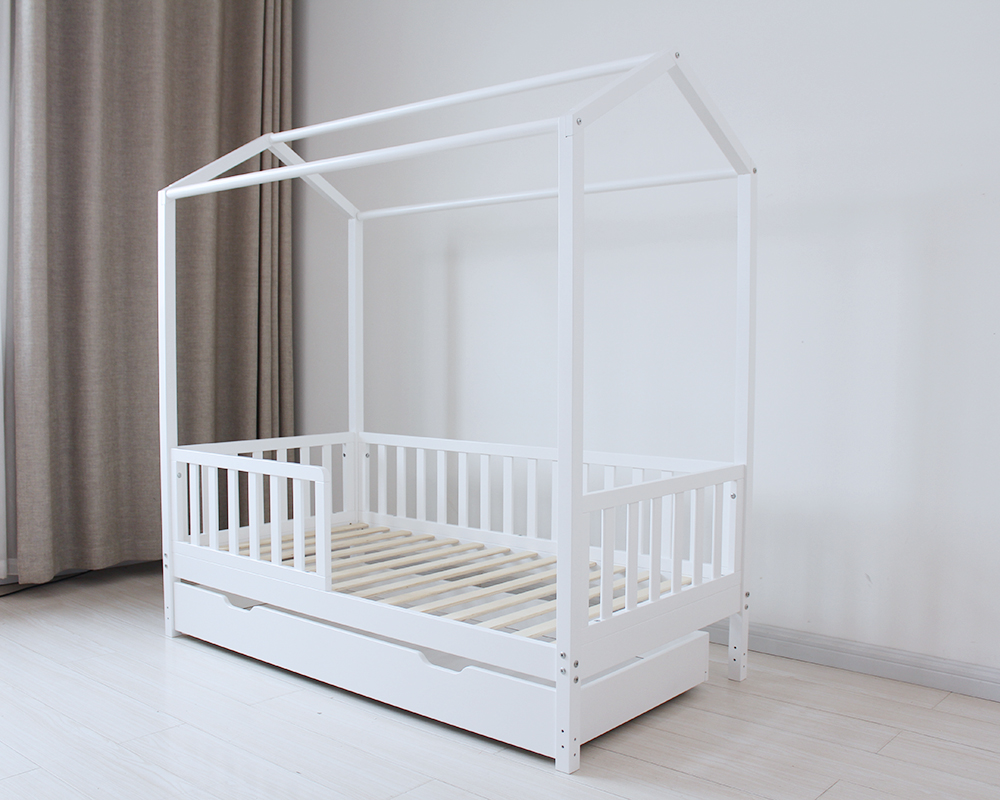
The centerpiece of any child's room is undoubtedly the bed. Moving a little one from the confined safety of a crib to an open sleeping arrangement is a major psychological and physical milestone. Navigating this transition requires balancing newfound mobility with strict safety parameters.
There is no universal age for transitioning a child out of a crib. However, developmental markers provide clear guidance. Pediatricians generally recommend making the switch when a toddler reaches thirty-five inches in height, or when they demonstrate the ability to climb over the railing. This usually occurs between eighteen months and three years of age. Rushing this milestone can lead to disrupted nights. Conversely, a timely transition prevents dangerous falls from the top of the crib.
A Safe Toddler Bed is engineered specifically to bridge the gap between an infant crib and a standard adult mattress. From a structural engineering perspective, load-bearing capacity and joint stability are paramount. For example, premium space-saving folding beds currently on the market utilize solid pine wood frames capable of supporting substantial weight without sagging, reinforced with heavy-duty metal hinges. The most critical feature is a low-to-the-ground profile, often sitting just fifteen centimeters off the floor. If a restless sleeper rolls out, the short distance minimizes injury risk. Integrated wooden guardrails are absolutely essential. Unlike temporary mesh rails that create dangerous entrapment gaps, solid rails keep the child secure while leaving a small opening for independent access.
A high-quality bed frame is only as safe as the mattress it holds. Most specific frames accommodate a standard crib mattress. This allows parents to reuse their existing firm bedding. It is imperative that the mattress fits snugly within the frame. Apply the two-finger test. If you can fit more than two fingers between the mattress edge and the frame, the gap is too large. This poses a severe entrapment hazard. The surface must remain firm to support a rapidly developing spine.
Adult furniture is built for adult bodies. Placing a toddler in a room full of oversized, towering items creates a physical hazard. It also inadvertently hinders their psychological development. Ergonomic, child-scaled design is vital for fostering a sense of ownership and autonomy.
When a child can physically reach their clothing, books, and toys without constantly asking for adult assistance, they naturally develop self-reliance. Appropriately sized Kids Bedroom Furniture empowers toddlers to practice essential daily life skills. Imagine the confidence a two-year-old feels when independently choosing an outfit. Low-profile dressers, miniature reading chairs, and reachable coat pegs build self-esteem. These small actions drastically improve both fine and gross motor skills.
The Montessori educational philosophy heavily emphasizes a prepared environment scaled specifically to the child. Everything is intentionally positioned at the toddler's eye level. Floor beds allow the child to regulate their own sleep schedule. Low, open shelving encourages independent exploration and play. By designing the room from the toddler's vantage point, you respect their capabilities. This encourages active, hands-on learning rather than passive dependence.
Toddlers accumulate a surprising amount of belongings. From bulky plastic toys to an ever-rotating wardrobe, a bedroom can quickly become cluttered. Without a strategic approach, this creates tripping hazards. Effective organizational solutions maintain a calm, hazard-free environment without overcrowding the available floor space.
In smaller bedrooms, maximizing square footage requires clever choices. Multi-functional pieces offer the absolute best return on spatial investment. Look for beds with built-in trundle drawers underneath. These utilize otherwise wasted space for storing bulky seasonal clothing. Storage benches placed at the foot of the bed serve as both a cozy seating area and a deep chest for oversized stuffed animals. Activity tables with integrated cubbies provide a dedicated space for arts and crafts while keeping messy supplies neatly contained.
The way storage is designed directly impacts a toddler's ability to maintain their own space. Heavy toy chests with solid wooden lids pose a severe risk to small fingers. They often turn into bottomless pits where toys are forgotten. Instead, open shelving units paired with lightweight canvas bins allow children to visually see their options. This makes them eager to participate in clean-up routines. Low dressers with smooth-gliding drawers enable toddlers to assist in putting away laundry, reinforcing positive organizational habits.
One primary reservation parents have is the lingering fear that the child will rapidly outgrow specific toddler items. It is a valid financial concern. However, strategic purchasing ensures furnishings remain highly functional and aesthetically pleasing for years to come.
The most cost-effective pieces on the market adapt to a child's changing physical needs. A convertible Childrens Bed that begins with protective side rails can often be extended or reconfigured into a standard twin frame. Similarly, a high-quality changing table should feature a removable top tray. This allows it to transition seamlessly into a sophisticated dresser suitable for a teenager. Investing in modular systems ensures core components do not need complete replacement every few years.
It is incredibly tempting to decorate a toddler's room with their current favorite cartoon characters. Yet, children's tastes change as rapidly as their shoe sizes. A bright red racecar bed may be thrilling for a three-year-old but will almost certainly be rejected by a seven-year-old. Select classic silhouettes and neutral finishes. Natural wood tones, crisp whites, or soft grays ensure longevity. Personality and current interests can easily be introduced through replaceable decor, rather than expensive furniture.
Furnishing a child's room requires a thoughtful, balanced approach to budgeting. It is easy to be swayed by low-cost, mass-produced items available at big-box retailers. Analyzing the long-term value yields a much more economical and significantly safer outcome.
Cheap furniture often requires repeated replacement, creating a false economy. A flimsy plastic dresser may cost less upfront. However, if the drawers break within a year or the unit becomes structurally unstable, replacement costs quickly add up. Conversely, spending a premium on solid wood pieces represents a higher initial financial output but delivers a much lower cost-per-use over a decade. High-quality furniture retains its structural integrity, withstands daily abuse, and can even be resold.
To optimize a bedroom budget, identify which items demand high-quality construction. You should absolutely splurge on foundational pieces that directly impact safety and daily use. The bed frame, the mattress, and the primary dresser fall into this category. These items must be heavy, durable, and stable enough to hold wall anchors safely. On the other hand, save money on supplementary accessories. Decorative rugs, lightweight curtains, and small storage baskets are highly susceptible to spills. Sourcing these affordably allows you to update them cheaply.
Buying furniture for your toddler is much more than a simple interior design project. It is a vital investment in your child's safety, daily comfort, and developmental growth. By prioritizing non-toxic materials, sturdy construction, and ergonomic designs, you create a nurturing environment. Always remember to meticulously check room dimensions before making final purchases. Verify all safety certifications to ensure peace of mind. Lean towards durable materials like solid wood that stand the test of time.
Ready to build a beautiful, secure room that your child will love growing into? Explore the premium, safety-tested collections at AuReadyWood. Whether you need a space-saving solid wood folding bed or a complete ergonomic bedroom set, you can find the perfect match for your family's needs at https://www.aureadywood.com.
Most children transition to a specialized bed between eighteen months and three years old. The exact timing depends heavily on their physical mobility and developmental readiness. Specifically, if your child is consistently attempting to climb out of their crib, it poses a significant fall risk. This signals that it is time to make the switch to a safer, lower sleeping arrangement.
Yes, from both an objective safety and longevity standpoint. Solid wood is generally heavier and more structurally stable. This makes it far less likely to tip over when a child leans on it. Additionally, it is an eco-friendly choice, completely free of the phthalates often found in synthetic plastics. It lasts significantly longer under the heavy wear and tear of daily toddler use.
A secure bed should sit very low to the floor to minimize fall distances. It must feature sturdy, built-in guardrails on both sides and be finished with non-toxic, volatile organic compound free paints. It should strictly adhere to Consumer Product Safety Commission and ASTM safety standards. Always check for proper mattress fit to avoid dangerous entrapment gaps.
Absolutely. All dressers, tall bookshelves, and heavy cabinets must be anchored directly to the wall studs using high-quality anti-tip hardware. This is a non-negotiable, critical safety measure designed to prevent fatal tipping accidents, regardless of how heavy, wide, or sturdy the furniture initially appears to be.
Solid wood, such as pine, birch, or oak, is widely considered the best material. It offers superior mechanical stability, excellent load-bearing capacity, and exceptional durability against scratches and dents. Unlike engineered woods, solid wood does not swell easily from moisture and avoids the off-gassing of formaldehyde, ensuring a healthier indoor air environment.
To maximize space, prioritize multi-functional and modular furniture. Utilize beds with built-in trundle drawers for under-bed storage, or consider folding solid wood beds that can be tucked away during daytime play. Employing vertical space with securely anchored, low-profile open shelving also keeps toys accessible without consuming excessive floor area.


