
- All
- Product Name
- Product Keyword
- Product Model
- Product Summary
- Product Description
- Multi Field Search


Views: 0 Author: Site Editor Publish Time: 2026-10-27 Origin: Site


Transitioning your little one from a baby nursery to a big-kid room is more than just an emotional milestone. It is a fundamental shift in spatial engineering. As toddlers rapidly gain mobility, the way they interact with their environment fundamentally changes. They stop being passive observers. Instead, they become active explorers who want to reach, climb, and test the structural limits of everything around them.
Caregivers frequently struggle to balance a playful aesthetic with practical daily safety. How do you construct a space that withstands chaotic play without requiring a complete structural overhaul in two short years? The secret lies in strategic layout planning, establishing multi-functional activity zones, and investing in high-quality, adaptable pieces. By carefully selecting the right elements, you can design a highly functional Toddler Bedroom that seamlessly evolves alongside your growing child.
Structural Safety is Non-Negotiable: Anchoring heavy units directly to wall studs and choosing low-center-of-gravity designs form the absolute foundation of a secure environment.
Foster Ergonomic Independence: Incorporating child-proportioned items encourages self-directed play, independent dressing, and proactive cleanup routines.
Invest in Future-Proofing: Choose versatile, solid wood pieces that physically and stylistically grow with your child from the early years into elementary school.
Zone Your Space: Divide the room into dedicated, distinct areas for sleeping, playing, and reading to maintain daily order and establish clear behavioral expectations.
Optimize Weight and Storage: Strategically transitioning from baby-focused organization to accessible bins and low shelving is the ultimate key to managing inevitable daily clutter.
Recent interior design and juvenile furniture market analyses reveal a massive shift toward child-led micro-environments. We are seeing a definitive departure from heavily themed, disposable plastic furniture. Instead, the industry is pivoting toward sustainable, modular designs rooted in Montessori principles. Parents and structural designers increasingly prioritize low-volatile organic compound materials, such as natural birch or solid pine, ensuring superior indoor air quality and structural integrity.
Furthermore, adaptability is the new baseline. Furniture that serves a single, short-term purpose is being phased out in favor of multi-stage items. Products like foldable wooden frames that save floor space, or shelving units that adapt from toy displays to textbook storage, are dominating the market. This trend emphasizes long-term utility over short-lived novelty.
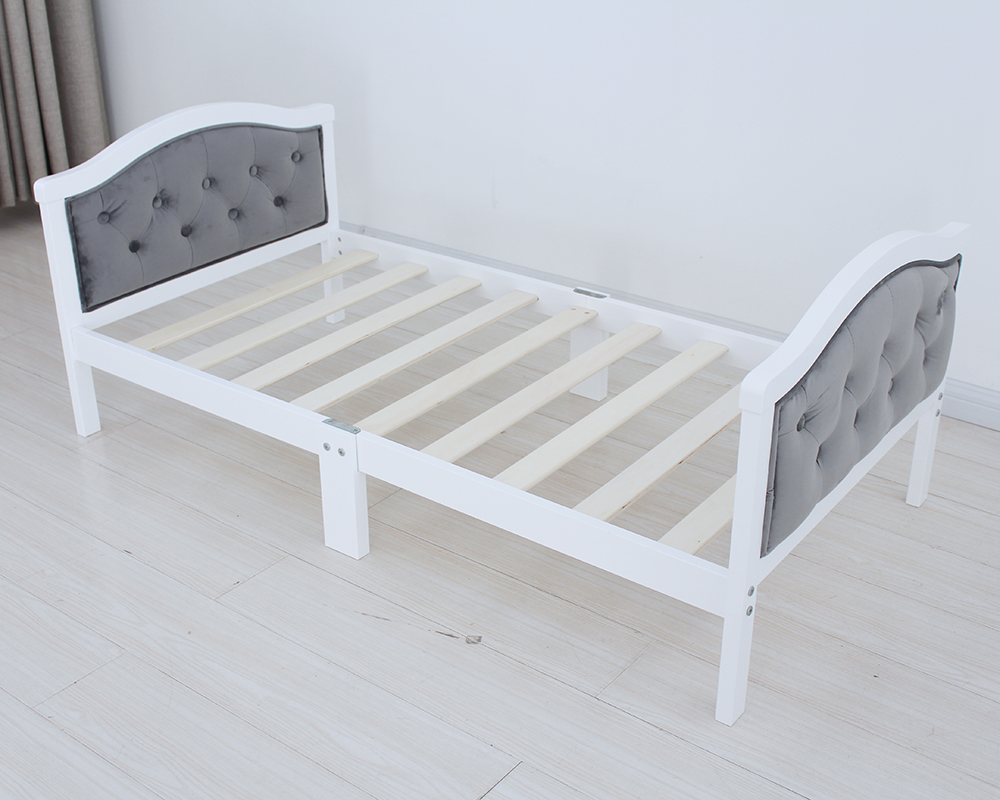
Designing a highly functional room goes far beyond selecting cute decor themes or trendy color palettes. A truly effective space must actively serve the child's rapid developmental needs while withstanding intense daily wear and tear. From an engineering perspective, this means anticipating physical capabilities and mitigating environmental risks before they result in accidents.
To craft an effective layout, parents must first physically get down on their hands and knees to view the room from a toddler's exact eye level. At this stage of cognitive development, children are intensely curious but completely lack spatial awareness and impulse control. Consequently, implementing crucial safety measures is mandatory rather than optional.
This includes installing heavy-duty anti-tip kits for all Kids Room Furniture, utilizing sliding covers for electrical outlets, and securing blind cords high out of reach. You must strictly choose items manufactured with mechanically rounded, smooth edges. Introducing the concept of accessibility completely transforms how a child interacts with their room. The fundamental rule is that everything the child safely needs should be well within their physical reach without requiring them to stretch or climb.
The concept of upward compatibility is essential in spatial design to avoid unnecessary financial strain down the road. Children grow at an astonishing rate. Their physical requirements and personal tastes change almost every six months. Experts strongly advise against purchasing overly themed, bulky items that a child will inevitably outgrow or lose interest in within a year or two.
The most practical approach involves investing in neutral, highly durable foundational pieces crafted from solid wood or premium composites. These core structures can easily transition into a school-aged child's room. You can then refresh the overall aesthetic through inexpensive, temporary decor updates like fresh paint, vibrant bedding, and peel-and-stick wall art.
Serving as the primary focal point of the bedroom, the bed directly influences the child's sleep hygiene and nightly comfort. Choosing the absolute best Childrens Bed requires an objective, realistic assessment of your room's square footage, load-bearing requirements, and previously established sleep habits.
Parents generally have three primary options when transitioning away from a standard infant crib. To simplify your selection process, here is a breakdown of the core specifications and functional advantages for each setup.
Bed Configuration | Safety Profile & Fall Risk | Lifespan & Durability | Space & Footprint Impact |
|---|---|---|---|
Convertible Cribs | High retention due to side rails, but active toddlers may attempt to climb over. | Short to Medium. Usually maxes out around age four due to length restrictions. | Utilizes the exact same footprint. Highly efficient for smaller rooms. |
Montessori Floor Beds | Maximum fall protection with zero height. Requires 100 percent room baby-proofing. | Medium to Long. Promotes profound early sleep independence. | Flexible footprint. Often features solid wood house-frame designs. |
Standard Twin Beds | Requires the installation of sturdy, breathable aftermarket safety rails. | Long-term investment. High weight capacity lasts through teenage years. | Larger footprint. Allows a parent to comfortably co-sleep during illness. |
For many families, skipping the intermediate toddler phase entirely and moving straight to a twin-sized mattress makes the most financial and practical sense. If you choose this route, verify the frame's load capacity and joint construction. A high-quality solid wood twin bed accommodates a child straight through their teenage years. Moreover, it allows a parent to comfortably lay next to the child during nighttime awakenings or bedtime reading routines, which is structurally impossible on a tiny crib mattress.
The juvenile products market is heavily saturated with items that promise ultimate convenience but ultimately just consume valuable floor space. Recent industry analyses reveal a massive shift toward ergonomic, child-led environments. Rather than strictly decorative spaces, modern design emphasizes micro-environments that physically support a child's autonomy. To maintain a truly functional environment, cut through the noise of unnecessary baby products and focus strictly on the core pieces of Toddler Furniture that add genuine daily utility.
A child-sized table and chair set is not merely a cute decorative addition. It is a crucial ergonomic tool. When toddlers sit at adult-sized tables, their feet dangle helplessly, which severely limits their core stability and fine motor control. A properly scaled table allows their feet to rest flat on the floor, providing the physical grounding necessary for focused activities like coloring, puzzle-building, and independent snacking.
Self-dressing is a complex skill that builds immense confidence. Picture your two-year-old trying to yank a heavy sweater out of an adult-sized dresser. It is a recipe for pinched fingers or a dangerous tip-over incident. Integrating a low-hanging clothing rack or a horizontally oriented, child-accessible dresser helps them learn how to manage their own garments safely. Presenting only two or three weather-appropriate outfit choices at their eye level eliminates morning decision fatigue while fostering independence.
Wooden blocks, oversized picture books, and mismatched socks multiply rapidly during the early years. What worked perfectly for storing swaddles and tiny diapers will completely fail when faced with bulky train tracks. Successfully transitioning baby-focused Nursery Storage into robust organizational systems is critical for keeping the floor clear of tripping hazards.
Traditional, deep toy boxes are strongly discouraged by pediatric safety engineers. They pose a severe hazard to little fingers due to heavy, unhinged lids. Furthermore, they hide toys out of sight, inevitably leading toddlers to dump the entire contents onto the floor just to find one specific item. In contrast, open, low-level cubbies are vastly superior. Implementing a toy rotation method on these shelves prevents visual overwhelm and encourages deeper, more sustained independent play.
Rigid plastic bins can crack under pressure and often feature sharp corners. Utilizing soft-sided, structured baskets is a much safer alternative for storing awkwardly shaped items like stuffed animals and building blocks. To further enhance daily functionality, label these bins with clear pictures or photographs of the items inside rather than relying on written words. This visual cueing system empowers pre-literate toddlers to know exactly where items belong, transforming cleanup into a manageable matching game.
Spatial organization helps a toddler intuitively understand daily routines and behavioral expectations within their own room. A large, completely open room can feel chaotic and overwhelming to a small child, but subtle zoning provides comforting psychological structure.
The primary function of any bedroom is rest. Therefore, the sleep zone must be kept entirely distraction-free. Strategically position the bed away from the primary play area, heavy hallway traffic zones, and large, drafty windows. Emphasize calming, muted colors and utilize minimal furnishings in this immediate space to signal that it is time to wind down.
This is the designated high-energy area of the room. Position the activity table, open toy shelves, and a comfortable, easy-to-clean play rug together in one quadrant. Grouping these interactive items naturally contains the daily mess to one specific area, making evening cleanup significantly more efficient. Ensure this zone has adequate natural or overhead lighting to prevent eye strain during focused play.
Even with the best intentions, parents frequently encounter real-world pain points when transitioning a space from a baby nursery to a functional big-kid room. Purchasing items without evaluating their structural integrity can lead to a cluttered, unsafe environment. Here is a practical engineering checklist for evaluating furniture.
The most critical error in designing a child's space is neglecting to secure heavy items to the wall. Tip-over incidents pose a severe risk to young children. From a physics perspective, opening a drawer shifts the unit's center of gravity significantly forward. This is especially dangerous if the drawer is filled with heavy clothing. If a child applies even a few pounds of downward pressure on that open drawer, the entire unit can easily tip over. Always use heavy-duty anti-tip kits. You must bypass the drywall entirely and secure metal L-brackets directly into the wooden wall studs.
Social media often popularizes minimalist, untreated wood pieces that look beautiful in photographs but completely lack practical functionality. Untreated wood absorbs stains immediately, splinters easily, and cannot be properly sanitized. Evaluate every single piece through the lens of durability and maintenance. Look for solid hardwoods like pine or high-quality engineered wood with non-toxic, wipeable finishes. Ensure all edges are mechanically rounded to prevent injury during inevitable tumbles.
A common misconception is that a bedroom needs to house all of a child's toys and activities simultaneously. Overcrowding the room with excessive items restricts physical movement and increases cognitive fatigue. Toddlers require ample open floor space to practice gross motor skills like tumbling and building large block towers. Follow the 60/40 rule for spatial planning. Aim to keep at least 60 percent of the floor space completely clear, utilizing only 40 percent for the actual furniture footprint. Consider foldable or stackable furniture designs to maximize usable space.
Designing a truly functional bedroom for your toddler is a rewarding process that requires careful, structural planning. You must successfully blend uncompromising safety, daily accessibility, and enough physical room for future growth. Selecting a robust bed sets an excellent, comfortable foundation for the space, while smart storage transitions will significantly help you maintain daily order. By choosing highly durable, child-proportioned pieces and anchoring everything securely, you create a secure haven where your child can safely play, learn, and rest.
If you are ready to upgrade your child's space with pieces that prioritize safety, longevity, and premium craftsmanship, explore the extensive, high-quality collections available at AuReadyWood to find the perfect fit for your family's spatial needs today.
Most children transition from a nursery to a toddler room between 18 months and 3 years of age. This change is usually prompted by physical milestones, such as the child consistently attempting to climb out of their crib, which poses a serious fall risk. Additionally, showing a strong desire for more independence indicates psychological readiness. It is generally recommended not to rush the transition if the child is still sleeping safely and peacefully in a crib.
Aside from a safe and comfortable bed, a low-level, accessible storage unit is arguably the most important piece of furniture in the room. Open, waist-high shelving fosters independence by allowing the child to see, reach, and put away their own belongings. This type of storage helps keep the room functional, clean, and organized, while simultaneously teaching the child valuable life skills related to daily responsibility.
To maximize functionality in a small space, you must focus on utilizing vertical space safely. Install securely anchored wall shelves for displaying books and keeping delicate items out of reach. Utilize under-bed storage boxes for seasonal clothing or extra bedding. Choose multi-functional pieces, such as a sturdy toy box that also serves as a seating bench. Above all, keep the floor space as clear as possible to allow room for safe, unhindered play.
Toddler beds are excellent space-savers and allow you to utilize your existing crib mattress. However, they are typically outgrown by age four or five. Moving straight to a twin bed equipped with proper, sturdy safety rails is a highly functional, future-proof alternative. Many parents prefer this route because a high-quality twin bed features a higher weight capacity and will last well into the child's teenage years.
Start by completely removing strictly baby-focused items like diaper caddies and changing table toppers. Lower the height of everyday items, such as books and favorite toys, so your toddler can easily reach them without climbing. Swap out tiny, complex drawer organizers for larger, soft-sided bins that make independent cleanup easy. Adding visual labels using pictures instead of words to these bins helps toddlers understand exactly where each item belongs.
Safety and durability should drive your material choices. Solid hardwoods such as maple, birch, or pine are incredibly durable and resist tipping far better than lightweight materials. If choosing engineered wood, look for high-density MDF with a durable laminate finish that resists scratching. Always verify that paints and finishes are non-toxic, lead-free, and ideally GREENGUARD Gold certified, which ensures the furniture emits low levels of volatile organic compounds.
Effective baby-proofing requires looking at the room from a structural engineering standpoint. First, anchor every single piece of heavy furniture directly into the wooden wall studs using metal brackets. Next, cover all electrical outlets with sliding plate covers rather than removable plastic plugs, which can become choking hazards. Remove any window blind cords, ensure all windows have secure locking mechanisms, and install a finger-pinch guard on the bedroom door.
When designing a shared room, symmetrical layouts often work best to prevent territorial disputes. Placing twin beds parallel to each other with a shared nightstand in the middle creates a balanced look. Alternatively, an L-shaped bed configuration in the corner opens up the center of the room for a shared play area. Ensure each child has their own dedicated, accessible storage bins to foster individual responsibility and minimize clutter.
The core of a Montessori bedroom layout is accessibility and deep respect for the child's autonomy. Everything the child needs daily should be placed at their eye level and within their safe reach. This includes using a floor bed to promote sleep independence, installing a low-hanging clothing rack so they can choose their outfits, and using open, low shelving for a limited number of curated toys. The environment should be simple, uncluttered, and primarily designed from the perspective of a two-foot-tall human.
The absolute most effective strategy is to bypass the drywall entirely and anchor directly into the wooden studs behind the wall. Use a magnetic or electronic stud finder to precisely locate the structural supports. Utilize heavy-duty metal L-brackets or commercial-grade nylon anti-tip straps. Attach one end of the bracket securely to the solid wood frame of the furniture, never the flimsy backboard, and the other end directly into the wall stud using wood screws that are at least two inches long.


