
- All
- Product Name
- Product Keyword
- Product Model
- Product Summary
- Product Description
- Multi Field Search


Views: 0 Author: Site Editor Publish Time: 2025-08-29 Origin: Site


Is it worth getting a baby changing table? Many parents find that baby changing tables offer a dedicated spot for diaper changes, but the answer really depends on your own space, routine, and priorities. Some parents love the organization, safety, and comfort these tables bring, while others skip them due to cost or lack of space.
Parents often choose baby changing tables for:
Keeping supplies organized
Maintaining hygiene in the nursery
Safety features like raised edges and straps
Extra storage for baby essentials
Comfort during frequent changes
You might prefer Change Tables if you want everything in one place, but you might skip them if your nursery feels tight or you want something more versatile for your baby’s room.
Baby changing tables offer safety, comfort, and organization, making diaper changes easier and more efficient.
Consider your nursery space and budget before buying; some tables are large or costly, while others are compact and affordable.
Alternatives like dressers with changing pads or portable tables can save space and provide long-term use.
Look for safety features such as guardrails, straps, and sturdy construction to keep your baby secure during changes.
Choose a changing table that fits your nursery layout, offers enough storage, and matches your style and needs.
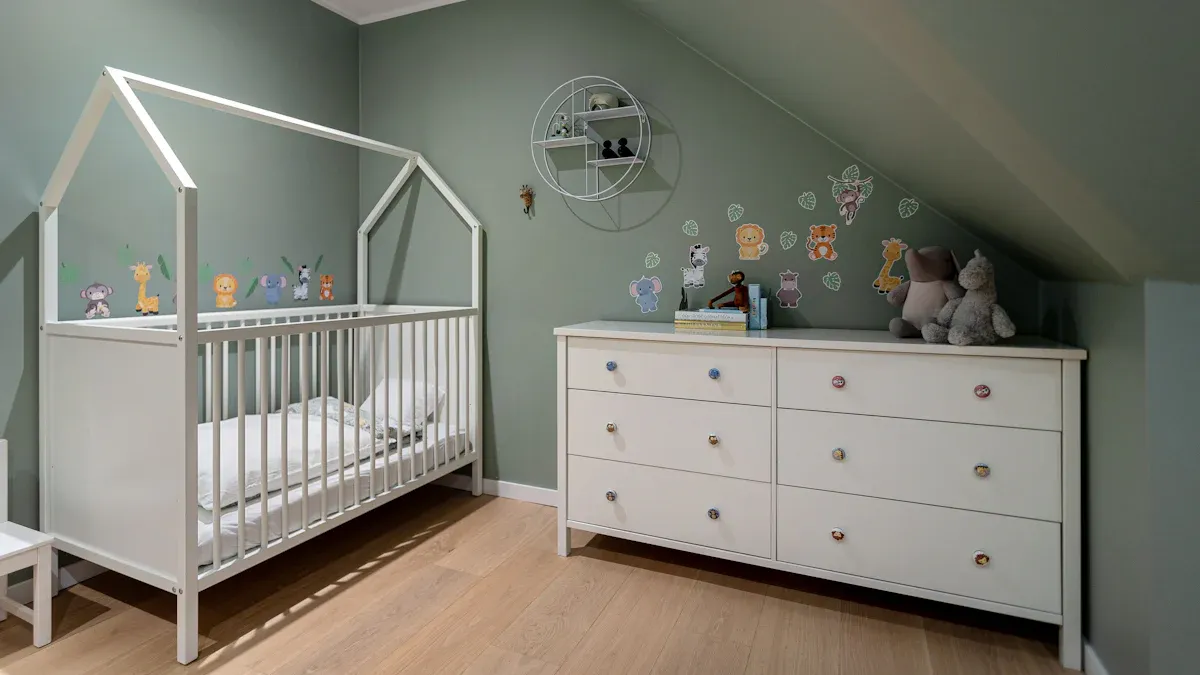
When you think about safety, change tables offer several important features. Most baby changing tables in 2025 meet strict safety standards, including ADA, ASTM, EN, and CPSC certifications. These standards help ensure that your baby stays secure during diaper changes. Many changing tables include anti-tip hardware and raised edges to prevent accidents. You should always supervise your baby and use the safety straps provided. Even with these features, falls from elevated changing tables remain a risk. Babies can get injured if you look away or if the table is unstable. The safest option is always to keep one hand on your baby and avoid placing hazardous objects nearby. Anti-tip features and sturdy construction add peace of mind, but remember that changing your baby on the floor eliminates the risk of falls.
Change tables help you keep your nursery organized. Parenting experts say that a dedicated diaper-changing area reduces clutter and streamlines your space. You can use drawer dividers, baskets, and wall-mounted shelves to keep diapers, wipes, and creams within reach. Labeled bins make it easy to find what you need, especially during nighttime changes. A well-organized changing table setup supports a calm and efficient environment. You can personalize your space with decorative items while maintaining order. These features make diaper changes less stressful and help you adapt as your baby grows.
You’ll appreciate the comfort that changing tables provide. The height of baby changing tables is designed to prevent you from bending over or kneeling, which helps protect your back. Ergonomic features reduce strain and make diaper changes easier. Built-in storage keeps supplies close, so you don’t have to search for diapers or wipes. This setup minimizes movement and makes the process more efficient. Parents often say that these features make frequent diaper changes much more manageable.
Storage capacity is a major advantage of change tables. Parents value built-in drawers, shelves, and baskets for keeping baby essentials organized. You can store diapers, wipes, lotions, and even baby clothes in one place. Removable frames let you convert the table into a dresser as your baby grows, saving money and space. The ease of cleaning is another benefit—regularly wiping surfaces and laundering changing pad covers keeps your nursery tidy. Here’s a quick look at popular storage features:
Feature | Description | Benefit to Parents |
|---|---|---|
Removable Frame | Converts table to dresser | Long-term use, saves money |
Storage Options | Drawers, open shelves, baskets | Keeps essentials organized and accessible |
Size | Fits various nursery spaces | Maximizes storage capacity in small rooms |
With these features, you can keep everything you need for diaper changes in one spot, making your nursery both functional and safe for your baby.
You might notice that changing tables come with a wide price range. If you look at the market in 2025, you’ll find options for every budget. Here’s a quick breakdown:
Inexpensive models: $50 (usually smaller or simpler)
Expensive: Above $100 (dresser-style or high-end)
Many parents want a sturdy, stylish table, but the price can add up fast. Some high-end change tables cost as much as a crib or more. When you compare these prices to alternatives like a dresser with a changing pad or a portable changing station, you’ll see that those options often save money. You might prefer a space-saving design or a compact size if you want to keep costs down.
Space is a big concern for many families. Changing tables can take up a lot of room, especially in smaller nurseries or apartments. If you live in a city or have a shared bedroom, you may struggle to fit a full-size table. Some parents choose a compact size or a fold-down model to save space. Others skip the table and use a portable changing station or a dresser with a changing pad. These space-saving options help you keep your nursery organized without crowding the room.
Tip: If you want a space-saving design, look for foldable or wall-mounted tables. These models offer the function you need without taking up valuable floor space.
You’ll probably use a changing table most often during your baby’s first two to three years. Once your child starts potty training, you may not need the table for diaper changes anymore. Some parents keep using the table for dressing or storage, but many find it becomes less useful as their child grows. If you want to get the most value, consider a model that converts to a dresser or offers extra storage. That way, your investment lasts longer, even after the diaper days are over.
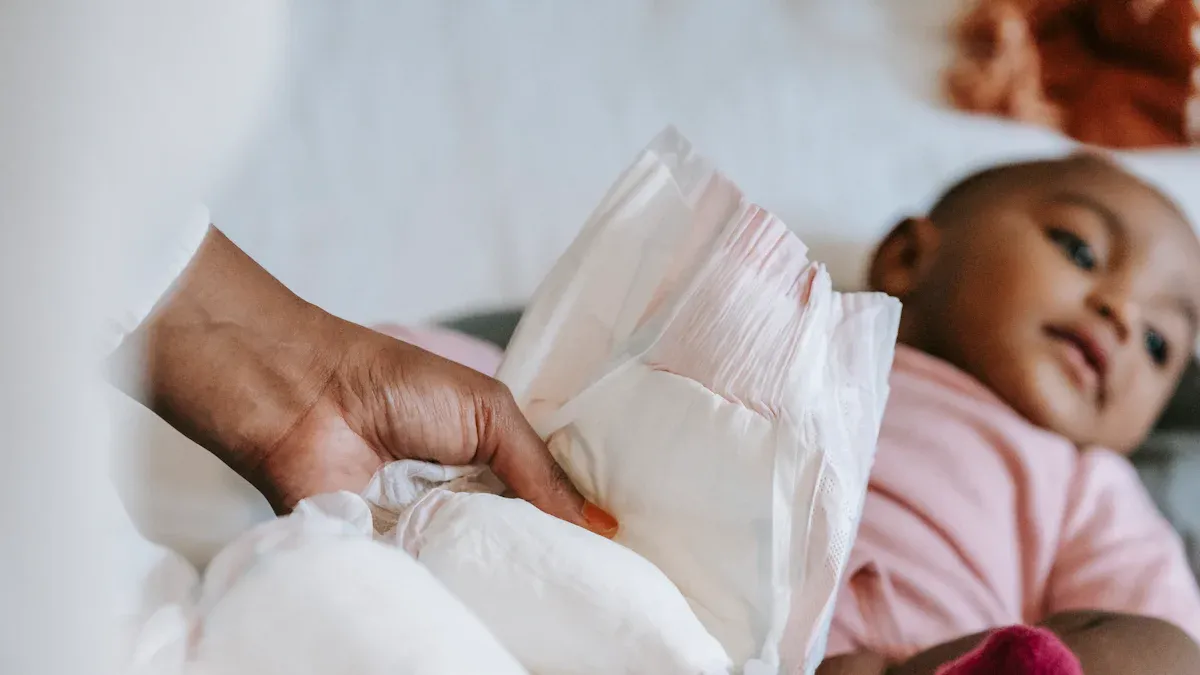
You might find a dresser with a changing pad to be a smart alternative to a traditional diaper changing table. This setup gives you a sturdy surface for diaper changes and plenty of storage for baby clothes and supplies. Many parents love that a changing table dresser grows with your child. After the diaper years, you can remove the pad and keep using the dresser. Safety matters, so always secure the changing pad with a topper and straps. Here’s a quick comparison:
Aspect | Dresser with Changing Pad | Dedicated Changing Table |
|---|---|---|
Safety | Can be made safe with a secure changing pad or topper featuring raised edges and straps; requires supervision. | Often includes built-in safety straps and raised edges designed to prevent baby from rolling off. |
Convenience | Provides ample storage for baby essentials; can be used as regular furniture after diaper phase. | Ergonomically designed to prevent back strain; includes some storage but limited compared to dressers. |
Cost | Generally more cost-effective upfront and offers long-term value as it remains useful beyond diaper years. | Usually more expensive; designed for a specific purpose and age, becoming obsolete after potty training. |
Space Usage | Space-saving as it doubles as nursery furniture; customizable to decor. | Bulky and requires dedicated nursery space; can limit room layout options. |
Longevity | Multifunctional and durable; remains useful for years beyond diaper changing. | Limited use; primarily for diaper changing phase only. |
Popular choices in 2025 include the Babyletto Sprout and Delta Children Saint 4-Drawer Dresser with Changing Top, both known for safety and storage.
Portable change tables offer flexibility that a stationary diaper changing table can’t match. You can move them from room to room, which helps when you need to keep an eye on your baby while handling other tasks. Many models have wheels, making them easy to roll wherever you need. These tables often fold flat for storage, so you can tuck them away when not in use. Most portable options include guardrails and straps for safety, but you should always supervise your baby. Keep in mind, portable tables usually have a lower weight limit and may not last as long as a changing table dresser.
Tip: If you want a lightweight option for travel or small spaces, a portable change table could be your best friend.
Some parents skip furniture altogether and do diaper changes on a bed or the floor. This method works well if you have limited space or want to avoid buying extra furniture. You just need a portable changing pad and your supplies nearby. However, you’ll need to bend or kneel, which can be tough on your back. Pediatricians recommend using a firm surface and keeping the area clean. For babies under 12 months, always use a safe sleep space like a crib or play yard. If you use the floor, make sure the room is baby-proofed and free of hazards.
Let’s break down the main pros and cons:
Option | Pros | Cons |
|---|---|---|
Dresser with Changing Pad | Saves space, long-term use, lots of storage | Needs secure pad, may lack built-in safety features |
Portable Change Table | Easy to move, folds for storage, good for travel | Lower weight limit, may not last as long |
Bed or Floor | No extra furniture needed, flexible location | Hard on your back, less storage, must ensure cleanliness |
You have plenty of alternatives to a diaper changing table. Each option has its own strengths, so think about what fits your space, routine, and comfort best.
When you start searching for the best changing table, you want something that fits your nursery, keeps your baby safe, and makes diaper changes easier. Let’s break down what you should look for so you can pick the best changing tables for your family.
Safety should always come first when you choose a baby changing table. You want to keep your baby secure during every diaper change. Here’s a checklist of safety features you should look for in 2025:
Guardrails on all four sides, at least 2 inches high, help prevent falls.
A contoured or lower-in-the-middle changing surface keeps your baby from rolling off.
Sturdy construction matters, especially for fold-up or wire models. You want a table that won’t tip or sway.
Wide bases on wire tables add stability and prevent tipping if your baby pulls on the table.
Storage compartments or shelves keep supplies within reach but out of your baby’s reach.
Always use the safety belt when changing your baby.
Never leave your baby unattended. Keep one hand on your baby at all times.
Follow manufacturer age and weight limits. Most tables stop being safe around age 2 or 30 pounds.
You should also look for anti-tip hardware and an anti-tip design. These features add another layer of protection, especially if you have a curious toddler. Safety considerations matter for every family, so don’t skip this step when choosing the best changing table.
Tip: If you want extra peace of mind, pick a changing table with a safety certification label. This means the table meets current standards for baby furniture.
You’ll appreciate changing table features that make your life easier. Storage is a big deal for parents. The best changing tables offer drawers, shelves, and baskets for diapers, wipes, creams, and clothes. Some tables have built-in organizers, while others let you add bins or dividers. You want everything within arm’s reach, but not where your baby can grab it.
If you need a compact size, look for the best small changing table with foldable shelves or stackable bins. Dual-purpose furniture, like a changing table dresser, gives you more value. After the diaper years, you can use it for clothes or toys. A changing table topper adds flexibility, letting you convert a dresser into a baby changing station.
Here’s a quick look at popular changing table features:
Feature | Why You’ll Love It |
|---|---|
Drawers & Shelves | Keeps supplies organized and accessible |
Removable Topper | Converts dresser to changing table easily |
Foldable Design | Saves space in small nurseries |
Built-in Organizers | Speeds up diaper changes |
Easy-to-clean Surface | Maintains hygiene for your baby |
Note: If you want a budget-friendly changing table, choose a model with fewer extras but solid construction. You can always add storage bins later.
You want your baby changing table to fit your nursery perfectly. Start by measuring every wall, window, door, and outlet. Use a tape measure for accuracy. Sketch your nursery layout on graph paper or use a digital tool like Canva grids or Homestyler. This helps you see where the best changing table will fit.
Place your changing table near clothing and diaper storage. Keep a hamper or laundry basket close by. Drawer dividers and bins make supplies easy to grab. Define zones in your nursery for sleeping, changing, feeding, and play. Leave at least 24 inches of clearance around furniture so you can move easily.
Anchor tall furniture like dressers for safety. If you want flexibility, pick a dual-purpose piece like a dresser with a removable changing topper. This works well in small nurseries and lets you rearrange as your baby grows. The best small changing table fits tight spaces without crowding the room.
Callout: Always leave clear walking paths and avoid overcrowding. Your nursery should feel calm and organized, not cramped.
You want the best changing table for your budget. Prices range from affordable to premium, so you can find something that fits your nursery and your wallet. Here’s a look at the price spectrum for 2025:
Product Example | Rating | Price Range (USD) | Notes on Nursery Budget Fit |
|---|---|---|---|
Environments® Step-Up Wood Toddler Stairs & Tower | 5.0 | $149.99 | Affordable option for tighter nursery budgets |
Environments® Toddler Changing Table with Stairs | 5.0 | $1,299.99 | Mid-range, balances quality and cost for many nurseries |
Toddler Birch Changing Table with Stairs & Combo | 5.0 | $2,284.99 | Premium, fits nurseries prioritizing durability and features |
Average Changing Station Cost | N/A | $826.71 | Reflects typical mid-tier investment in nursery budgets |
Price Range Overall | N/A | $11.99 - $3,712.99 | Covers from basic accessories to high-end portable units |
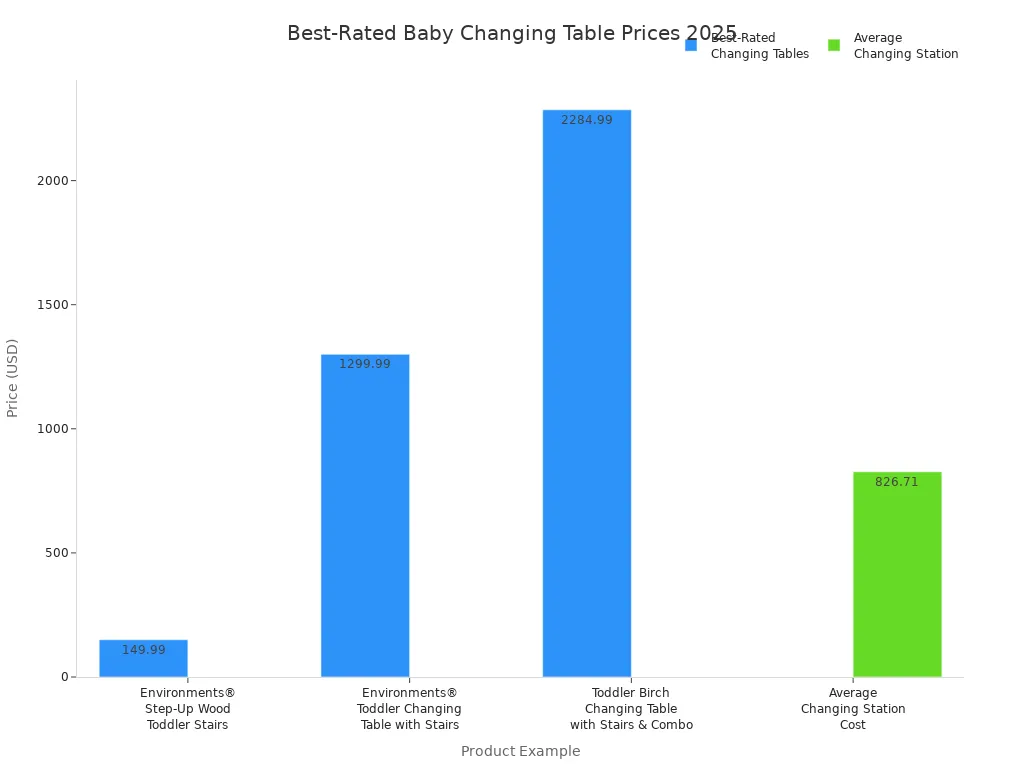
If you want a budget-friendly changing table, stick to the lower end of the price range. Compact size models and basic changing table toppers cost less but still offer good safety and storage. Premium models give you more features and durability, but you don’t have to spend a fortune to get a safe, functional baby changing station.
Ask yourself these questions before you buy:
Does the changing table have all the safety features you need?
Will it fit your nursery layout and leave enough space to move around?
Does it offer enough storage for diapers, wipes, and clothes?
Can you use it as a dresser or storage unit after the diaper years?
Is the price within your nursery budget?
Does the design match your style and needs?
Will it work with a changing table topper or as a baby changing station?
If you answer “yes” to most of these, you’re on track to find the best changing table for your family.
Choosing the right changing table can make your daily routine smoother. Here are the top picks for 2025, each offering a mix of safety, storage, and style to fit different nursery needs.
You get a sturdy dresser with a removable changing topper. The safety rails and anti-tip kit help keep your baby secure. The seven drawers give you plenty of space for clothes and diapers. The classic design fits almost any nursery style.
This dresser combines a modern look with practical features. The changing top is removable, so you can use it as a regular dresser later. Safety straps and smooth-glide drawers make diaper changes easy and safe.
You’ll love the sleek design and GREENGUARD Gold certification. The three spacious drawers hold all your baby’s essentials. The removable changing tray adds flexibility as your child grows.
This chest offers a compact footprint with deep drawers. The changing topper is easy to remove. The sturdy build and safety rails help protect your baby during changes.
If you want a simple, budget-friendly option, this table works well. The open shelves keep diapers and wipes within reach. The raised edges add an extra layer of safety for your baby.
You get both open shelves and a changing surface. The design makes it easy to organize supplies. The safety rails and sturdy frame give you peace of mind.
This table stands out with its vintage-inspired look. The two shelves offer lots of storage. The safety strap and guardrails help keep your baby safe.
You’ll find a modern style with rounded spindles. The removable changing tray and three drawers make it practical for everyday use. The non-toxic finish is a plus for your baby’s health.
This portable table folds flat for storage. The wheels let you move it from room to room. The safety belt and sturdy frame make it a good choice for small spaces or travel.
You get a classic design with two open shelves. The included changing pad and safety strap help keep your baby comfortable and secure. The compact size fits well in smaller nurseries.
Tip: When you pick a changing table, look for safety rails, storage options, and a style that matches your nursery.
You’ve seen that a baby changing table brings safety, comfort, and organization to your nursery. Many parents love how it keeps supplies close and creates a clean, consistent spot for every baby change. Some families prefer alternatives like a dresser or portable pad, especially if space is tight. Think about your routine, budget, and nursery layout. No matter what you choose, you’ll create a safe and soothing space for your baby—and that’s what matters most.
A changing table topper helps keep your changing pad secure on top of a dresser. You can use it to turn any sturdy dresser into a safe baby changing station. Always check that the topper fits your furniture.
Most parents use change tables until their child is about two or three years old. After that, you can use a changing table dresser for storage or as regular furniture in your nursery.
Yes, you can use a portable changing table if you want flexibility. Portable change tables work well in small spaces or for travel. Just make sure the baby changing station feels sturdy and safe.
Look for guardrails, safety straps, and a sturdy frame. A changing table topper should fit tightly. Always keep one hand on your baby during changes. Safety matters most with any baby changing table or changing station.


