
- All
- Product Name
- Product Keyword
- Product Model
- Product Summary
- Product Description
- Multi Field Search


Views: 0 Author: Site Editor Publish Time: 2026-04-20 Origin: Site


An unsafe cot may look perfectly normal at first glance, but hidden problems in structure, mattress fit, hardware, or setup can create serious risks during daily use. That is why Cots should never be judged by appearance alone.
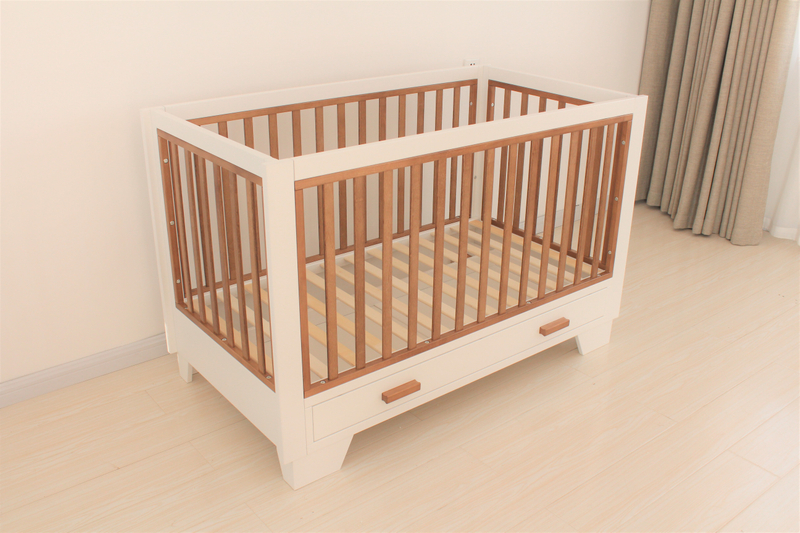
For parents, importers, distributors, and retailers, the real concern is whether a cot provides a safe sleep environment and suits its intended use. In this post, we’ll discuss the main risks of using an unsafe cot, the warning signs to watch for, and how to evaluate Cots more carefully.
An unsafe cot is any cot that creates avoidable sleep-related or injury-related hazards because of poor design, poor maintenance, missing parts, damage, wrong mattress fit, weak construction, or incorrect use. This means a cot does not have to look broken to be unsafe. In many cases, the danger comes from hidden details that buyers do not notice immediately.
For example, some Cots become unsafe because the mattress does not fit tightly enough. Others become unsafe because the frame wobbles, a folding mechanism does not lock properly, hardware is missing, or side openings are not well controlled. Even a product that originally seemed acceptable can become unsafe after wear, damage, poor storage, or unofficial modification.
This is important because many people assume that only very old or visibly damaged Cots are risky. In reality, an unsafe cot may be new, attractive, and easy to sell if buyers do not understand the warning signs behind the product. That is why education matters so much in this category.
A cot is one of the most important products in a baby’s daily environment because babies spend long periods sleeping or resting in it. When Cots are well designed and used correctly, they support safer sleep and more predictable daily care. When Cots are unsafe, the consequences can be much more serious than simple inconvenience.
Cot safety matters because the major hazards are not minor. The most important risks include falls, entrapment, suffocation, strangulation, collapse, and injuries caused by rough surfaces or sharp components. These risks are not only relevant to parents. They also matter greatly to importers, brands, and retailers because unsafe Cots can lead to customer complaints, returns, legal exposure, damage to brand reputation, and even product recalls.
That is why the conversation around Cots has changed in recent years. Buyers increasingly expect more than an attractive design. They want better information about structure, mattress compatibility, durability, safe use, and intended product category. This shift is making the market more professional, but it also means manufacturers need to communicate more clearly.
Unsafe Cots can create several types of hazards. Understanding these hazards helps buyers make better decisions and helps manufacturers explain why safer design matters.
Falls are one of the most obvious risks associated with unsafe Cots. If the frame is unstable, if the side height is inadequate, if a panel becomes loose, or if the product is assembled incorrectly, the chance of a fall increases. This risk becomes more important as babies grow stronger, start moving more actively, and begin pulling up or trying to climb.
In some cases, falls happen because the cot itself is not strong enough. In other cases, the issue is misuse, such as using the wrong mattress height configuration or continuing to use a cot beyond the appropriate stage. A product that feels stable for a newborn may become less suitable when the child becomes more mobile. That is why responsible buyers should think about use over time, not only on the first day.
Entrapment is one of the most serious hazards in unsafe Cots. It can occur when a baby’s head, limbs, or body become trapped in a gap, opening, or structural space that should not exist. This may happen because of incorrect mattress fit, poorly controlled spacing, loose side panels, missing parts, or changes in structure after repeated use.
Entrapment risks are especially important because they can arise from details that seem small to the buyer. A mattress gap that appears minor can still be dangerous. A frame that shifts slightly under pressure can also change clearances in ways that matter. Among all the issues affecting Cots, this is one of the strongest reasons why dimensions and compatibility should never be treated casually.
Suffocation is another major concern when using an unsafe cot. This risk can increase if the sleeping surface is unsuitable, if the mattress does not fit properly, if the sleep space contains soft items, or if the cot is used with an incompatible accessory. Unsafe gaps and overly soft or unstable surfaces can turn a basic product mistake into a serious hazard.
This is why the mattress is not just an accessory. In all Cots, the mattress and the frame function together as one safety system. A product may appear acceptable, but if the mattress is the wrong size, the wrong thickness, or not designed for the cot, the entire sleep environment changes.
Strangulation risks in Cots can come from protrusions, cords, attached accessories, loose straps, broken parts, or unsafe product placement. For example, even a well-made cot can become dangerous if it is placed too close to curtain cords, blind cords, or other hanging items. In other cases, damage or unofficial repairs can introduce components that should never be in the child’s sleep environment.
This is a good reminder that cot safety does not depend only on the cot itself. It also depends on placement, maintenance, and how the product is used in the room.
Some unsafe Cots fail because of weak joints, broken connectors, defective hardware, or unreliable folding systems. This is especially important in folding or portable products, where structure depends more heavily on correct locking and repeated setup. A cot that partially collapses, shifts unexpectedly, or fails under normal use can become dangerous very quickly.
Structural failure is particularly important for B2B buyers because it often reveals deeper manufacturing weaknesses. Poor hardware planning, uncontrolled tolerances, or inconsistent batch quality can all contribute to a product that looks acceptable in photos but performs poorly over time.
Unsafe Cots can also cause cuts, scrapes, bruises, or irritation if surfaces are rough, edges are sharp, hardware is exposed, or finishes are poorly applied. This may seem less dramatic than collapse or entrapment, but it still matters greatly because it reflects weak quality control and can affect daily trust in the product.
Unsafe Cots do not all fail for the same reason. Some are poorly designed from the beginning, while others become unsafe during use, storage, maintenance, or transport. Understanding the causes helps buyers avoid the same mistakes.
The first cause is poor design. If a cot has weak structural logic, poor hardware planning, unsafe openings, or unclear user interaction, the product may be risky from the start. In other words, no amount of nice packaging can fix a design that does not properly support safe use.
Mattress mismatch is one of the most common reasons Cots become unsafe. If the mattress is too small, gaps may form. If it is too thick or unsuitable for the product, the baby’s position in the cot may be affected. Buyers should always confirm the correct mattress specification instead of assuming that any similar-looking mattress will work.
Even well-made Cots can become unsafe when they are damaged, poorly stored, or used with missing parts. A loose screw, cracked side panel, worn lock, or bent frame component may change the way the cot performs. This is why inspection matters, especially for older, frequently moved, or heavily used products.
A correctly designed cot can still become unsafe if it is assembled incorrectly. In household Cots, this may involve incorrect hardware installation or improper height settings. In folding Cots, incomplete locking or wrong setup can create a much higher risk. Good instructions reduce this problem, but the product should also be designed to make correct use easier and safer.
Some buyers or users try to repair, alter, or improve Cots by drilling extra holes, replacing parts with non-original items, adding accessories, or changing the mattress setup. These modifications can create new hazards and undermine the original design intent. A cot should not be treated like a casual furniture item that can be changed freely.
Even safe Cots can become unsafe if the sleep environment is wrong. Extra bedding, pillows, bumpers, quilts, toys, or layered padding can all increase risk. A cot should be viewed as part of a complete sleep environment, not as an isolated product.
Buyers and parents can reduce risk significantly by learning to identify common warning signs. The following checklist is useful for evaluating Cots before purchase or during use.
Warning Sign | Why It Matters | What It May Indicate |
The cot wobbles or shifts | Poor stability can increase fall or collapse risk | Weak frame, poor assembly, or damaged joints |
The mattress does not fit tightly | Gaps can create entrapment or suffocation risks | Wrong mattress size or wrong cot specification |
There are cracks or broken parts | Damage can reduce strength and create openings | Wear, impact damage, or poor material quality |
Hardware is loose, missing, or rusty | Structural integrity may be compromised | Poor maintenance or weak product design |
Folding parts do not lock firmly | The cot may collapse or shift during use | Locking failure or setup error |
Surfaces feel rough or sharp | Cuts, bruises, or snag risks increase | Poor finishing or damage |
Labels or instructions are missing | Safe use becomes less predictable | Incomplete product information |
The cot has been modified | Original performance may no longer apply | Unsafe repair or unofficial alteration |
This table is helpful because many unsafe Cots do not fail loudly at first. They show warning signs gradually. Buyers who recognize those signs early are much better positioned to avoid problems.
A safe cot is not simply one that looks premium or costs more. A safe cot is one that is appropriately designed, structurally stable, correctly matched with its mattress, free from unsafe gaps and broken parts, and supported by clear instructions and reliable manufacturing quality. Unsafe Cots, by contrast, often fail in one or more of those areas.
The difference can be summarized in a practical comparison.
Comparison Point | Safer Cots | Unsafe Cots |
Structure | Stable, balanced, and well supported | Wobbly, weak, or inconsistent |
Mattress fit | Tight and appropriate for the cot | Loose, mismatched, or poorly supported |
Hardware | Secure, complete, and reliable | Missing, loose, or weak |
Surfaces | Smooth and well finished | Rough, sharp, cracked, or damaged |
Instructions | Clear and complete | Missing, confusing, or incomplete |
Use over time | Maintains performance under normal use | Degrades quickly or becomes unsafe with wear |
User confidence | Predictable and trustworthy | Uncertain and harder to evaluate |
Even when sourcing better Cots, users can still create risk through bad practices. These mistakes are common and worth highlighting because many of them seem harmless at first.
One common mistake is using the wrong mattress. Another is adding soft bedding, pillows, folded quilts, or extra padding to the sleep surface. Some users continue using Cots that are already damaged or unstable because the problem seems minor. Others forget to check locking systems, especially in portable models.
Improper repairs are also common. Replacing missing parts with whatever is available, tightening the wrong components, or modifying the structure without manufacturer guidance can turn a manageable issue into a major hazard. Finally, poor placement matters too. A cot placed near cords, curtains, heaters, shelves, or unstable furniture introduces additional risks that have nothing to do with style or price.

Among all the safety factors affecting Cots, mattress fit is one of the most important. A cot and its mattress function together as a single sleep system. If the mattress does not match the cot properly, the sleep space may no longer perform as intended.
A poorly fitting mattress can create gaps, unstable support, or awkward sleep-surface conditions. A mattress that is too soft or not intended for the cot can also change how the baby rests in the product. That is why buyers should always ask manufacturers what mattress specification is required and whether the cot is designed for a particular size or thickness.
This is also one of the clearest differences between professional and careless sourcing. Buyers who treat the mattress as a generic add-on often increase risk without realizing it. Buyers who confirm proper compatibility make better decisions.
Portable and folding Cots are not automatically unsafe, but they often require closer attention to setup, locking systems, and intended use. Because these products rely more heavily on mechanical folding logic, they can be more sensitive to incomplete locking, incorrect assembly, or incompatible accessories.
This does not mean portable and folding Cots should be avoided. It means they should be selected and used carefully. Their strengths are convenience, mobility, and storage flexibility. Their safety depends more strongly on correct setup and disciplined use. For buyers, that means asking detailed questions about locking reliability, mattress design, and user instructions.
The conversation around Cots is changing. Buyers today are far more aware that a cot is not just a piece of furniture. It is part of a wider safe-sleep environment. As a result, several trends are shaping how the market thinks about unsafe cot risks.
The first trend is stronger focus on mattress fit and sleep-surface quality. More buyers now understand that the mattress and cot should be evaluated together, not separately. The second trend is greater caution around extra bedding and accessories. Products that once looked cozy are increasingly judged by whether they support a clearer, simpler sleep environment.
The third trend is stronger interest in traceability and instructions. Buyers want to know not only how Cots look, but how they are assembled, maintained, labeled, and supported. The fourth trend is more product-category awareness. People are becoming more careful about the difference between household Cots, portable folding Cots, and other infant sleep products. This is making sourcing more professional and less superficial.
For B2B buyers, reducing risk begins long before the product reaches the end user. Importers and retailers comparing Cots should verify the exact product category, intended use, mattress requirement, and key structural features. They should ask for clear product specifications instead of relying on general claims like “safe” or “high quality.”
A careful buying process also includes checking hardware quality, locking design, finish consistency, labels, warnings, and instructions. Suppliers should be able to explain how they control dimensions, material quality, and production consistency. In the Cots business, a good sample is not enough if the factory cannot produce the same quality in volume.
Manufacturers play a major role in reducing unsafe cot risks. Safer Cots begin with design decisions, not after-the-fact corrections. That includes choosing the right materials, controlling dimensions carefully, planning stable structures, designing reliable hardware interfaces, and making mattress compatibility clear from the beginning.
Good manufacturers also think about real-world use. They know that Cots are assembled by different people, used in different rooms, and sometimes moved, stored, or reused over time. That is why safer design means more than passing a visual inspection. It means designing a product that remains predictable under normal use and is supported by clear instructions.
For professional buyers, this is where a knowledgeable manufacturing partner adds value. The best suppliers do not only make Cots. They help reduce risk by thinking ahead about construction, user interaction, packaging logic, and long-term performance.
The risks of using an unsafe cot should never be overlooked. Unsafe Cots can lead to falls, entrapment, suffocation, strangulation, collapse, and other avoidable injuries caused by poor design, weak structure, or incorrect mattress fit. That is why buyers should evaluate Cots based on structure, stability, mattress compatibility, instructions, and intended use rather than appearance alone. At Auready Wood Industry Co.,Ltd, we believe safer Cots start with thoughtful design, reliable construction, and clear product guidance, helping buyers choose products they can trust for everyday use.
The biggest risks include falls, entrapment, suffocation, strangulation, structural collapse, and injuries caused by rough or broken parts. Unsafe Cots may create one or several of these hazards at the same time.
Common warning signs include wobbling, loose hardware, broken parts, poor mattress fit, missing instructions, unsafe gaps, rough surfaces, or unreliable locks. If Cots show these issues, they should be checked carefully and may no longer be suitable for use.
Yes. The wrong mattress can create dangerous gaps, unstable support, or an unsuitable sleep surface. That is why Cots should always be used with the mattress size and type intended for the product.
Some older or second-hand Cots may still be usable, but they should be inspected carefully for damage, missing parts, poor stability, and mattress compatibility. Buyers should be especially cautious if the product has been modified or stored badly.
You should check structure, materials, hardware quality, mattress compatibility, finish quality, instructions, and production consistency. When comparing Cots, these details are much more useful than appearance or price alone.


