
- All
- Product Name
- Product Keyword
- Product Model
- Product Summary
- Product Description
- Multi Field Search


Views: 0 Author: Site Editor Publish Time: 2025-12-15 Origin: Site


When preparing for the arrival of a newborn, one of the most important decisions parents face is choosing a safe and comfortable sleeping arrangement for their baby. Cots (also known as cribs in some countries) are the go-to solution for many parents, offering a secure, enclosed sleeping space for infants. But, as with any baby-related purchase, you may be wondering: Are cots good for sleeping?
In this article, we’ll delve into why cots are widely regarded as an excellent choice for babies, discuss their advantages and potential drawbacks, and explore how to ensure your child sleeps well and safely in a cot. Additionally, we’ll provide a broader look at the factors to consider when choosing a cot and how it can impact your baby’s sleep patterns and overall well-being.
A cot is a small bed designed specifically for infants and young children. It features high, often fixed, sides to prevent the baby from rolling out, and is typically smaller than a standard bed, ensuring the baby sleeps in a contained and secure environment. Cots can be made from various materials, such as wood, metal, or plastic, and come in different styles, from traditional to more modern designs.
Cots are typically used for babies from birth up until they are around 2 to 3 years old, after which they may outgrow it and transition into a larger bed. Some cots are designed to transform into toddler beds or full-size beds as the child grows, making them a long-term investment for parents.
Cots are considered one of the best options for newborns and infants for several key reasons. Below are the main benefits of using a cot for your baby’s sleep:
The primary function of a cot is to provide a safe sleeping space for your baby. The high sides of the cot prevent your baby from rolling or falling out of bed, which is especially important during the early months when babies are still learning to control their movements. Additionally, cots are designed with safety features like sturdy construction, rounded edges, and secure fittings that ensure the baby’s environment is safe.
Most cots also meet strict safety standards and regulations. In many countries, there are regulations that govern cot construction, including spacing between the slats to prevent a baby’s head from getting stuck, and restrictions on materials to avoid the presence of harmful chemicals.
A cot encourages safe sleep practices by ensuring that babies are placed on their backs during sleep, which is the safest position recommended by health professionals to reduce the risk of sudden infant death syndrome (SIDS). Babies can’t roll onto their stomachs or sides when in a cot with high sides, making it easier to maintain the correct sleeping posture.
Moreover, the snug fit of a cot helps prevent the risk of suffocation. Babies who sleep in a crib are less likely to roll into pillows, blankets, or soft toys that could obstruct their airways, as the cot provides a secure and enclosed sleeping space.
The flat and firm mattress in a cot provides the proper support that a baby’s developing body needs. Babies need a firm mattress to support their spine, muscles, and joints. A soft mattress can be dangerous, as it increases the risk of suffocation or choking. Cots are designed with this in mind, ensuring the mattress provides the right amount of firmness to support the baby’s growing body.
Additionally, the compact size of a cot helps the baby feel more secure and cozy, which can help them sleep better. Babies often feel comforted by the closeness of their cot sides, which simulates the feeling of being in a confined space similar to the womb.
Cots are designed with the convenience of parents in mind. The raised sides allow easy access to the baby, and many cots have adjustable mattress heights that make it easier for parents to reach the baby without straining their backs. Some cots even come with features like drop-down sides or one-handed operation, making it easier to lift your baby in and out.
Moreover, cots allow for good air circulation, especially those with slatted sides or mesh panels, keeping the baby’s sleep environment well-ventilated. This is crucial for preventing overheating, a factor that can contribute to sleep discomfort or even health concerns like SIDS.
A cot offers a consistent and familiar environment for a baby, which can improve sleep quality. Babies thrive on routine and consistency, and having a dedicated, fixed sleeping space can help your baby learn to sleep independently. This predictability is beneficial both for the baby’s sense of security and for helping parents establish a reliable sleep routine.
Cots also offer an environment free from distractions or disturbances, as the baby is not sharing a bed with parents or older siblings. This promotes better, more restful sleep for your baby.
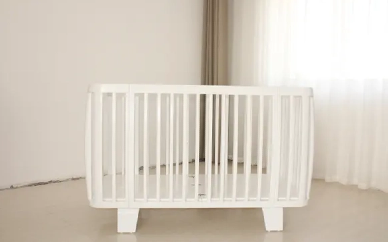
While cots offer numerous benefits, they are not without their drawbacks. Here are some things to consider before choosing a cot for your baby:
Cots are designed for newborns and infants, typically up until the age of 2 or 3. While some cots can convert into toddler beds, the fact remains that your baby will eventually outgrow the cot, and you’ll need to transition them to a larger bed. This short lifespan means that cots may not be the most cost-effective solution for all families, especially if you're on a tight budget and plan to purchase a new bed for your child shortly after they outgrow the cot.
Cots take up space in the nursery, and their size may be a concern if you have limited room. For parents living in smaller apartments or houses, a cot might feel too bulky or take up precious space. If you're working with limited space, it's important to assess the room and ensure there's enough room for the cot along with other necessary furniture.
Some parents may prefer a co-sleeping solution, such as a bedside sleeper, as it allows for greater convenience during night feedings and bonding time with the baby. Cots, while beneficial for safety and sleep quality, might not work well for every family’s lifestyle or space constraints.
When your baby outgrows the cot, the transition to a toddler bed or a larger bed can sometimes be difficult. While some cots convert into toddler beds, others may not, and in that case, you will need to invest in a new bed. This transition phase can be challenging for some children, especially if they are used to the security and comfort of their cot.
To ensure your baby sleeps well in a cot, follow these tips:
The mattress is a critical element of cot sleep. Make sure to choose a firm, flat mattress that fits snugly within the cot. There should be no gaps between the mattress and the sides of the cot to prevent any risk of suffocation.
Always place your baby on their back to sleep, and avoid putting soft bedding, toys, or pillows in the cot. These can increase the risk of suffocation. Keep the room at a comfortable temperature to avoid overheating.
Babies thrive on routine. Try to establish a consistent bedtime routine that helps your baby wind down and feel safe and secure. This will make it easier for them to fall asleep in their cot and maintain better sleep quality.
In conclusion, cots are an excellent choice for sleeping, offering safety, comfort, and convenience for both babies and parents. They provide a secure and supportive sleep space that promotes proper development, reduces the risk of suffocation, and ensures a safe sleep environment. However, parents should keep in mind that cots are generally a short-term investment, as babies will eventually outgrow them.
When choosing a cot, ensure that it meets safety standards, fits your baby’s needs, and works well with your living space. With the right cot and proper care, you can ensure your baby gets the safe, comfortable sleep they need to grow and thrive.
At Auready Wood Industry Co., Ltd., we specialize in creating high-quality cots that are both functional and safe. Our products are designed to provide the best sleep experience for your baby, with a focus on durability, design, and safety standards. Whether you're looking for a cot or any other baby furniture, we’re committed to helping you create the perfect sleep environment for your little one.


