
AUREADY WOOD INDUSTRY CO., LTD.
 English
- All
- Product Name
- Product Keyword
- Product Model
- Product Summary
- Product Description
- Multi Field Search
English 

Views: 0 Author: Site Editor Publish Time: 2025-08-25 Origin: Site


When you shop for a baby changing table, you want only the best. Oak, maple, pine,walnut, and beech stand out as top choices for change tables in 2025. These hardwoods are much denser and more durable than softwoods, so your baby changing table will resist dents and scratches. That means your nursery essentials will last through years of use. You also get peace of mind knowing a quality baby changing station supports your child’s safety. Choosing the right wood for your essentials helps you create a stylish and reliable nursery.
Choose solid hardwoods like oak, maple, pine,walnut, or beech for strong and long-lasting baby changing tables.
Look for safety features such as sturdy construction, non-toxic finishes, and certifications like FSC and GREENGUARD Gold.
Buy from trusted suppliers who provide clear information about wood type, safety standards, and quality control.
Keep your changing table clean with gentle soap and water, avoid harsh chemicals, and fix damage quickly to protect the wood.
Pick a changing table dresser with smart storage, smooth drawers, and a style that fits your nursery and grows with your child.
Choosing the right wood for your baby changing table means thinking about more than just looks. You want a piece that stands up to daily use, keeps your child safe, and fits with modern nursery designs. Let’s break down what matters most when you pick wood for your essentials.
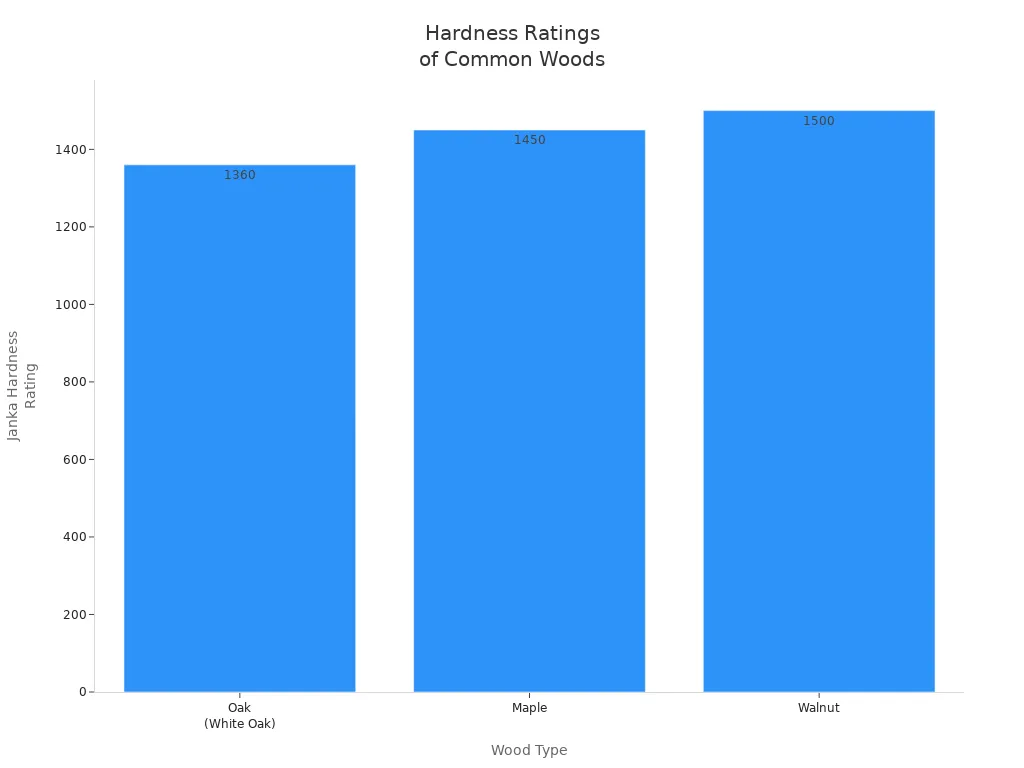
When you shop for a baby changing table, durability should top your list. Hardwoods like oak, maple, and walnut are favorites because they resist dents and scratches. These woods handle the bumps and scrapes that come with daily life. You want your essentials to last, especially if you plan to use the baby changing table for more than one child. Take a look at how these woods compare:
Wood Type | Janka Hardness Rating | Durability and Lifespan Notes |
|---|---|---|
Maple | 1450 | One of the hardest woods used for high-use furniture; smooth grain; durable and suitable for cabinetry and furniture subjected to wear. |
Oak (White Oak) | 1360 | Hard and dense; resistant to warping and dents; practical for everyday use in high-traffic settings, implying good longevity. |
Walnut | ~1500 | Known for strength; durable hardwood used in furniture; lighter than oak; popular for sleek designs. |
Beech | N/A | Popular for furniture but no specific hardness or lifespan data provided; generally considered durable hardwood. |
You want your baby changing table to be a safe spot for your child. Safety starts with sturdy wood that won’t wobble or tip. Look for tables that meet strict safety standards. Certifications from groups like the Consumer Product Safety Commission and the American Society for Testing and Materials show that the wood and finishes are free from harmful chemicals. Non-toxic finishes and smooth, rounded edges help prevent accidents. Modern nursery designs in 2025 focus on safety by using materials that pass these tests and by choosing woods that hold up under pressure. You can trust that a well-built baby changing table will keep your essentials secure and your child protected.
Sustainability matters more than ever. Many parents now look for FSC-certified wood when picking a baby changing table. This label means the wood comes from forests managed with care for the environment and local communities. Choosing sustainable essentials helps protect forests and supports ethical labor. Big brands use FSC-certified wood to show their commitment to the planet. When you see this certification, you know your baby changing table supports a healthy future for your family and the world.
FSC certification ensures responsible forest management and protects biodiversity.
It supports fair wages and safe working conditions for workers.
Choosing FSC-certified wood helps maintain forest ecosystems and supports ethical sourcing.
You want your baby changing table to look great in your nursery. In 2025, parents love natural wood finishes and soft, neutral tones. These styles blend with many nursery designs and create a calm, welcoming space. Clean lines and simple shapes are in style, making your essentials both beautiful and practical. A well-chosen wood can turn your baby changing table into a standout piece that grows with your child and fits any room.
Tip: Pick a wood finish that matches your nursery designs and keeps your essentials looking fresh for years.
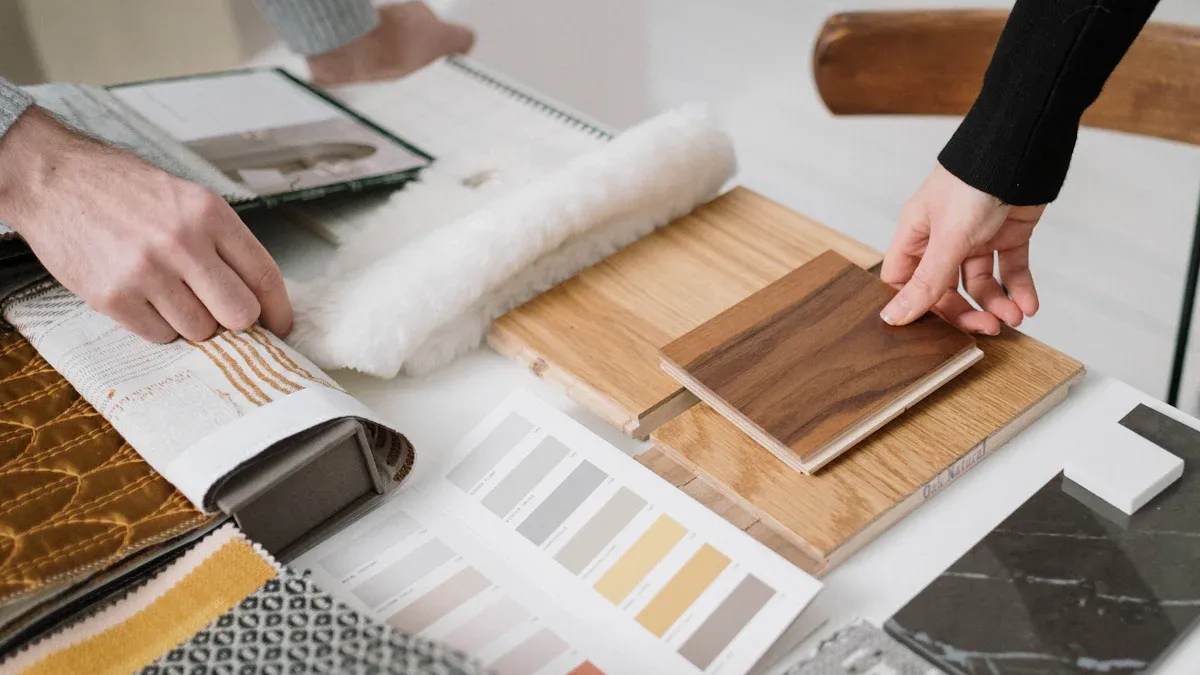
When you choose a baby changing table, the type of wood matters. Each premium wood brings its own strengths and style to your nursery. Let’s look at the top choices for 2025 and see how they fit your needs.
Solid oak stands out as the most popular premium wood for nursery furniture in 2025. You get unmatched durability with oak. The wood grows slowly, so it forms a dense, tight grain. This means your baby changing table resists dents, scratches, and warping. Oak handles the bumps and spills that come with daily use. You can trust it to last for years, even if you use your dresser for more than one child.
Oak’s natural beauty only gets better with age. The wood develops a rich patina, adding warmth and character to your nursery. You can refinish or repair oak easily, so your change tables always look fresh. Maintenance is simple—just dust and polish now and then. Minor scratches blend in and add charm.
Note: Oak furniture can feel heavy and bulky. Moving a solid oak dresser might take some effort. The price is higher than some other woods, but you get long-term value. Some parents think oak looks old-fashioned, but modern designs use clean lines and lighter finishes to keep it stylish.
Pros:
Extremely durable and long-lasting
Stable and safe for active babies
Classic look fits many nursery themes
Easy to maintain and repair
Cons:
Heavy and hard to move
Higher upfront cost
Can look traditional if not styled right
Oak works best if you want a baby changing table that doubles as a dresser and stays in your family for years.
Maple is another favorite for change tables and dressers. You get a smooth, fine texture that feels great to the touch. Maple resists dents and scratches, so your baby changing table stays looking new. The wood takes stain well, so you can match it to any nursery color scheme.
Parents love maple for its balanced mix of strength and style. It’s lighter than oak, so you can move your dresser more easily. Maple’s subtle grain gives your nursery a clean, modern look. You won’t worry about the table wobbling or wearing out quickly.
Pros:
Hard and durable for daily use
Smooth finish and modern appearance
Lighter weight than oak
Takes stain and paint well
Cons:
Can show scratches if not sealed properly
Slightly less resistant to moisture than oak
Price can be mid-to-high range
Maple fits perfectly if you want a baby changing table that blends with both classic and modern nurseries. It’s a smart choice for a dresser that grows with your child.
Pine is a popular choice for baby changing tables and dressers, thanks to its affordability and timeless charm. With its light, natural wood tone, pine creates a warm, welcoming atmosphere in your nursery. The soft grain gives the wood a cozy, rustic look, making it a perfect match for both traditional and contemporary styles. Pine is a durable option for daily use and can withstand the rigors of a busy nursery. It also takes paint and stain well, allowing you to customize the finish to suit your color scheme.
Pros:
Affordable and widely available
Light, natural wood tone with a warm, rustic feel
Easy to paint or stain to match any nursery décor
Durable for daily use
Cons:
Softer wood, so it may dent or scratch more easily than harder woods
May require more frequent maintenance or sealing to preserve its appearance
Prone to moisture damage if not properly treated
Pine is an excellent choice for parents who want a budget-friendly, versatile option that complements any nursery style. It’s a great investment for a changing table or dresser that will grow with your child, offering both beauty and functionality.
Walnut brings a touch of luxury to your nursery. You’ll notice its rich, chocolate tones and beautiful grain patterns right away. Walnut is tough and resists scratches and dents, so your baby changing table stays in top shape. The wood even has natural antimicrobial properties, which help keep your nursery cleaner.
Walnut dressers are easy to care for. Just wipe them down and oil them occasionally. The wood feels smooth and looks elegant, making your change tables a real statement piece.
Tip: Walnut costs more than maple or beech. The color can fade if you place your dresser in direct sunlight. You need to keep it dry to avoid warping or cracking.
Pros:
Stunning, warm color and unique grain
Durable and scratch-resistant
Naturally antimicrobial
Easy to maintain
Cons:
Higher price point
Can lighten over time in sunlight
Needs careful handling to prevent damage
Choose walnut if you want your baby changing table and dresser to stand out and bring a sense of luxury to your nursery.
Beech is a smart, sustainable choice for modern nurseries. The wood is strong and resilient, so your baby changing table lasts for years. Beech dressers meet strict safety standards, including JPMA, CPSC, and ASTM. Many beech products also carry GREENGUARD Gold Certification, which means low chemical emissions and a healthier nursery.
Beech has a light, neutral color that fits any nursery style. The wood is easy to clean and holds up well to daily use. You can adjust many beech dressers as your child grows, making them a flexible option.
Pros:
Durable and long-lasting
Meets top safety certifications
Light color suits any décor
Ethically and sustainably sourced
Cons:
Can be less resistant to moisture than oak or walnut
May dent if hit with heavy objects
Not as widely available as oak or maple
Beech is ideal if you want a safe, eco-friendly baby changing table and dresser that adapts as your child grows.
Wood Type | Popularity in 2025 | Key Attributes |
|---|---|---|
Oak | Most popular | Strength, durability, classic grain, longevity |
Maple | Very popular | Smooth finish, modern look, easy to stain |
Walnut | Premium choice | Rich color, luxury feel, antimicrobial |
Beech | Sustainable pick | Light color, safety certifications, adaptability |
You have many great options for your nursery. Oak and maple lead the way in 2025, but walnut and beech offer unique benefits. Pick the wood that matches your style, safety needs, and plans for your baby changing table and dresser.
When you want your change tables and dresser to last, you need to start with the right wood. Sourcing quality wood means you get a baby changing table that stands up to daily use and keeps your child’s safety front and center. Let’s walk through how you can spot the best materials and suppliers for your nursery dresser and baby changing station.
Certifications help you know that your change tables and dresser meet the highest safety and environmental standards. Look for these essential certifications when you shop for a baby changing station or changing table topper:
FSC (Forest Stewardship Council): Ensures the wood in your dresser or change tables comes from responsibly managed forests.
GREENGUARD and GREENGUARD Gold: Certify that your baby changing table or dresser has low chemical emissions, making your nursery safer.
GOTS (Global Organic Textile Standard): Important if your changing table topper or dresser uses organic textiles.
MADE SAFE, GOLS (Global Organic Latex Standard), OEKO-TEX: Show that your baby changing station or dresser is free from harmful substances.
ASTM International and CPSC (Consumer Product Safety Commission): Prove that your change tables and dresser meet strict safety standards for children’s furniture.
Tip: Always check for third-party certifications. These labels mean your dresser and change tables are free from toxic chemicals and meet top safety standards.
Before you buy a dresser or baby changing table, ask your supplier a few key questions. This helps you make sure your change tables and dresser are safe and built to last.
What type of wood do you use for your change tables and dresser?
Are your products FSC-certified or GREENGUARD Gold certified for safety?
Do your dressers and change tables meet ASTM and CPSC safety standards?
What kind of finish do you use on the dresser and baby changing station? Is it low-VOC and non-toxic?
Can you provide details about the joinery and construction methods for your dresser and change tables?
How do you handle quality control for your baby changing table and dresser?
When you ask these questions, you show that you care about safety and quality. A good supplier will answer clearly and provide proof of certifications for your dresser and change tables.
You want to avoid problems before they start. Watch for these red flags when you shop for a dresser, change tables, or a baby changing station:
Flawed joinery, like visible gaps or weak fasteners, can make your dresser or change tables unsafe.
Poorly fitting drawers or doors that rattle or stick signal sloppy work and possible safety risks.
Wobbly or uneven legs on your dresser or change tables mean weak materials or bad quality control.
Bubbling or streaking in the finish shows careless workmanship and can affect the safety of your baby changing table.
Using only softwoods like pine in your dresser or change tables often means less durability and lower safety.
High-VOC finishes on your dresser or baby changing station can release harmful chemicals into your nursery.
Prices that seem too low for a dresser or change tables may mean cheap materials or rushed work.
If the maker does not focus on furniture, your dresser or change tables might not meet safety standards.
If you spot any of these issues, keep looking. Your child’s safety and the durability of your dresser and change tables matter most.
Choosing the right supplier and checking for certifications will help you find a dresser and change tables that keep your nursery safe and stylish. Always trust your instincts and never settle for less when it comes to your baby changing table or changing table dresser.
Keeping your wood change tables and dresser in top shape doesn’t have to be complicated. With a few simple habits, you can make sure your baby changing table looks great and lasts for years.
You want your changing table dresser to stay clean and safe for your baby. Here’s a quick routine you can follow:
Mix a small amount of mild dish soap with warm water. Use a soft cloth to wipe down the wood.
Skip harsh chemicals like bleach or ammonia. These can damage the finish and may not be safe for your nursery.
Clean up spills right away. Use a damp cloth, then dry the area completely to prevent moisture damage.
Place a protective cover on your baby changing station. This helps prevent scratches and makes cleaning easier.
Keep your dresser organized. Fewer spills mean less cleaning.
Check the wood often for any signs of wear or damage. Fix issues quickly to avoid bigger problems.
Always follow the manufacturer’s cleaning instructions for your changing table dresser.
Tip: Regular gentle dusting with a microfiber cloth keeps your dresser looking fresh and prevents micro-scratches.
A good finish protects your change tables and keeps them looking new. For best results:
Clean the surface with mild soapy water and dry it well before applying any finish.
Use a thin layer of natural wax, rubbing along the wood grain. Buff with a soft, dry cloth for a smooth shine.
Avoid oil-based polishes and products with silicone. These can make future refinishing difficult.
Place felt pads under items on your dresser to prevent scratches and discoloration.
Keep your baby changing table out of direct sunlight and away from heat sources.
You can extend the life of your changing table dresser with a few smart habits:
Dust regularly and use wood cleaners made for your finish.
Wipe up spills fast to avoid stains or water marks.
Apply a protective finish like polyurethane every year or two. Wax and natural oils work too, but need more frequent touch-ups.
Control humidity in your nursery to prevent the wood from swelling or cracking.
Use pads or cloths under decorative items to reduce scratches.
For deep scratches or stains, consider sanding and refinishing, or ask a professional for help.
With these tips, your dresser and change tables will stay sturdy, safe, and beautiful for years to come.
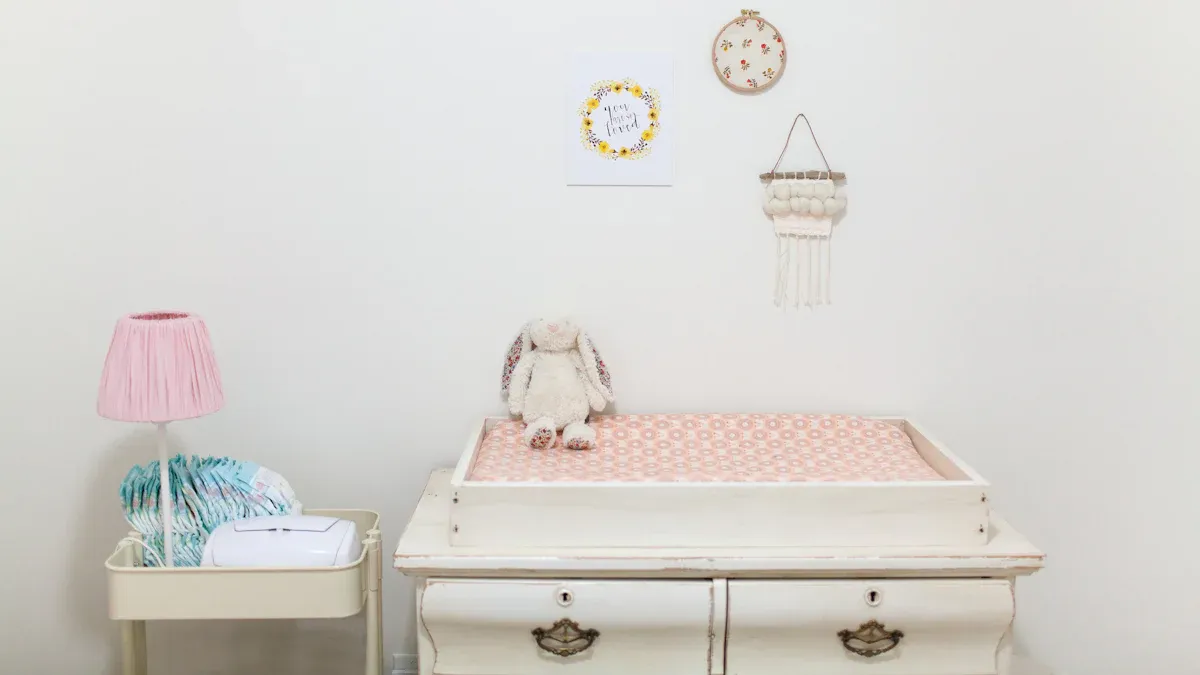
Are you searching for the best nursery dresser changing tables for your baby’s room? You want a dresser that looks great, keeps your essentials organized, and stands up to daily use. Let’s explore the top models, features, and storage solutions that make these dressers the favorites for a stylish and functional nursery in 2025.
What makes these dressers stand out? You get changing table features that make life easier. Many dressers have removable trays, so you can use them as a baby changing table now and a regular dresser later. Safety comes first, with anti-tip kits, safety rails, and non-toxic finishes. You’ll find ergonomic designs that help you change diapers without bending too much. Some dressers even have certifications like GREENGUARD Gold, which means they’re safe for your baby’s nursery.
Tip: Look for dressers with smooth-glide drawers and sturdy frames. These changing table features make your functional nursery safer and more convenient.
You need a space-saving solution that keeps your nursery neat. The best nursery dresser changing tables offer plenty of storage. You’ll find dressers with deep drawers, open shelves, and even built-in hampers. Models like the Delta Children Saint and DaVinci Jayden give you lots of room for diapers, wipes, and clothes. If you have a small nursery, the Dream On Me Emily and Badger Basket Corner Changing Table save space while still offering storage. These dressers help you create a functional nursery that grows with your child.
A dresser with flexible storage lets you organize your essentials and keep your baby changing table clutter-free.
Choosing the right nursery dresser changing table means you get style, durability, and smart storage—all in one piece. You’ll love how these dressers make your nursery both stylish and functional.
You see a big shift in baby changing station trends for 2025. Modern nursery designs focus on clean lines, classic colors, and smart storage. Many parents want a dresser that doubles as a changing table, so you get more use out of one piece. Multi-functional designs are everywhere. You’ll notice built-in storage for wipes and clothes, which keeps your essentials close and your space tidy. Soft toppers add comfort for your baby and blend well with most nursery designs. Touch-free, sensor-enabled baby changing stations are popping up in public spaces, making diaper changes easier and more hygienic. Some new models even use AI to adjust height for different users, so everyone feels comfortable.
Safety always comes first when you pick a dresser or baby changing station. You want raised edges or guardrails to keep your baby secure. Adjustable safety straps help prevent falls. Many changing table dressers now use antimicrobial coatings, so you worry less about germs. Look for strong construction and clear weight limits. Secure locking mechanisms stop sudden movement. Most brands follow strict safety standards like ASTM or CPSC, so you know your baby is protected. ADA-compliant features are also common, making sure everyone can use the changing table safely.
Tip: Always check that your dresser or changing table is installed on a sturdy surface and inspect it often for wear.
You have more choices than ever for materials. Wood remains a favorite for its warmth and durability, especially in a dresser that fits any nursery. Many parents love the look of cane or metal accents, which add a modern touch. Sustainable and recyclable materials are on the rise, so you can feel good about your purchase. Repurposing a dresser as a changing station is a smart move. You get built-in storage, flexibility, and a stylish piece that grows with your child. This approach saves money and space, making it a top pick for budget-conscious families.
Choosing the right change tables for your nursery starts with smart wood selection and trusted sourcing. Here’s what you should remember:
Pick solid hardwoods like oak, maple, or walnut for durability.
Look for strong joints and non-toxic finishes.
Buy from reputable brands or skilled artisans.
Stick with classic designs that stay stylish.
Keep up with regular cleaning and quick repairs to protect your essentials.
When you follow these steps, you create a safe, beautiful space for your family. Explore top products and trusted suppliers to find the perfect fit for your nursery.
You should look for change tables with sturdy frames, safety rails, and non-toxic finishes. Check for certifications like GREENGUARD Gold. A baby changing station or changing table topper with these features keeps your baby safe during every diaper change.
Wood change tables, especially those made from premium woods, last longer and look better in your nursery. They feel sturdy and safe. Many parents prefer a wooden baby changing table or changing table dresser for durability and style.


