
- All
- Product Name
- Product Keyword
- Product Model
- Product Summary
- Product Description
- Multi Field Search


Views: 0 Author: Auread Wood Industry Co., LTD Publish Time: 2025-09-28 Origin: Site


When it comes to caring for your newborn, one of the most essential and frequently used items in your nursery is the baby changing table and the changing pad. While the baby changing table provides a safe and convenient space to change diapers, the changing pad is what provides the comfort and protection for your baby during these frequent changes. Choosing the right changing pad can make a significant difference in the comfort of your baby and the ease of your routine as a parent.
But with so many options available, how do you know which kind of changing pad is best for you? From materials and safety features to convenience and versatility, there are several factors to consider before making a purchase. This article will help you navigate through the various choices of changing pads by examining key features, the best materials, and the relationship with the baby changing table. By the end of this article, you’ll be equipped with the knowledge needed to choose the perfect changing pad for your needs.
A changing pad is a cushioned, padded surface placed on top of a baby changing table to provide a comfortable and hygienic space for changing diapers. The changing pad typically has raised sides or safety rails to prevent your baby from rolling off, and it is covered with a waterproof material to protect against accidents. In many cases, changing pads come with additional features like straps to secure your baby, and some are even designed to be portable for on-the-go use.
While the changing pad is not the only component of a baby changing table, it plays a crucial role in making the diaper-changing process safer and more comfortable for both the baby and the parent. Since you will likely use the changing pad multiple times a day, selecting the right one is important for the convenience and well-being of your baby.
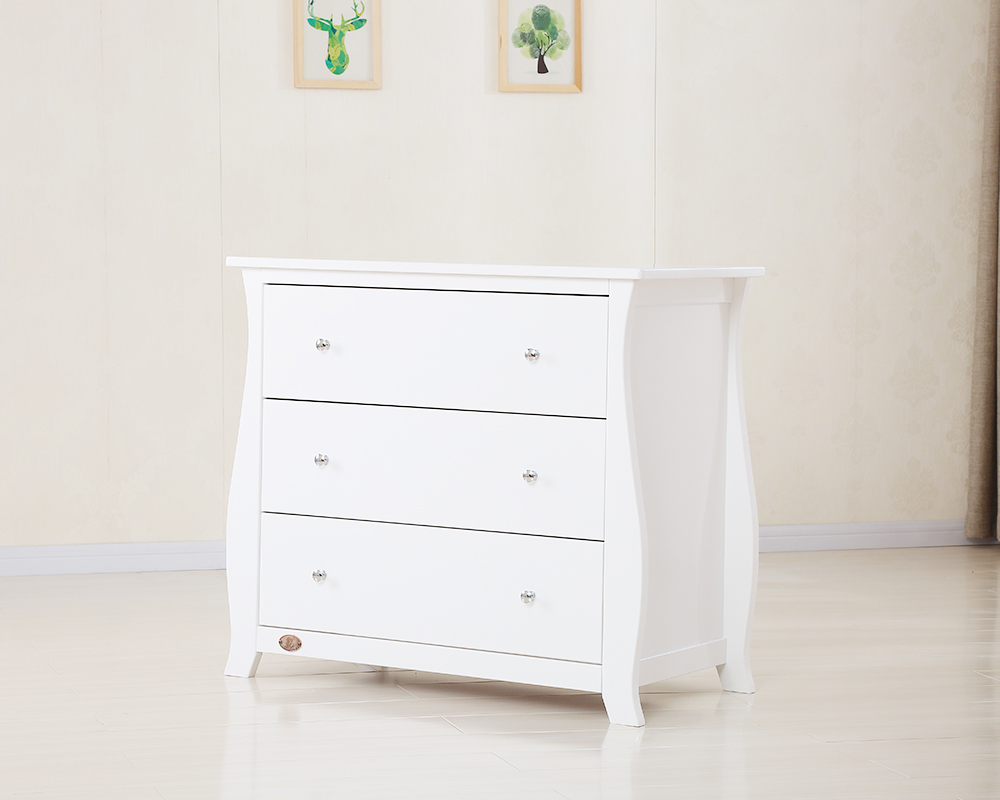
There are several types of changing pads available on the market, each offering different features to cater to various needs. Here’s a breakdown of the main types of changing pads:
Standard changing pads are the most common type of changing pad used with a baby changing table. These pads are typically rectangular in shape, with a cushioned surface to make diaper changes more comfortable for your baby. Standard changing pads often come with raised edges to provide safety and prevent your baby from rolling off. They are made from various materials, including vinyl, foam, or even organic cotton.
Pros: Affordable, easy to find, and available in different sizes to fit most baby changing tables.
Cons: Less versatile than other options, and some may not have extra safety features like straps or covers.
A contoured changing pad features slightly raised edges along the sides, creating a more secure and comfortable space for your baby. These changing pads are designed to hug your baby’s body, making them less likely to roll off during diaper changes. Many contoured changing pads also come with a safety strap to further secure your baby in place.
Pros: Provides extra security, comfortable for your baby, and safer than standard changing pads.
Cons: Can be bulkier than standard pads and may require a larger baby changing table.
Portable changing pads are designed for parents on the go. These lightweight, foldable changing pads are ideal for changing diapers away from home, whether you're traveling or out for a walk. They are often smaller and more compact than standard or contoured changing pads, making them easy to carry in a diaper bag.
Pros: Convenient, easy to carry, and perfect for travel.
Cons: Limited cushioning compared to other options, and they might not be as durable as larger changing pads.
Wipeable changing pads are covered with a waterproof or wipeable material, making them easy to clean after each diaper change. These changing pads are often made from materials like vinyl or PEVA, which are resistant to moisture and can be quickly wiped down with a disinfectant.
Pros: Easy to clean and maintain, ideal for hygiene.
Cons: Can be less soft compared to fabric-covered changing pads, and some may not be as breathable.
For parents who prefer natural materials, organic changing pads are a great option. These changing pads are made from organic cotton or other eco-friendly materials and are free from harmful chemicals. They are a perfect choice for parents who are environmentally conscious or concerned about their baby’s exposure to potentially harmful substances.
Pros: Eco-friendly, chemical-free, and gentle on your baby’s skin.
Cons: More expensive than standard changing pads and may require extra care during cleaning.
When selecting a changing pad, there are several important features to keep in mind to ensure both safety and comfort for your baby. Below are some key factors to consider:
The material of the changing pad plays a critical role in both comfort and durability. Common materials used for changing pads include:
Vinyl: Durable, waterproof, and easy to clean.
Foam: Cushioned for comfort, often covered with a soft, wipeable material.
Organic Cotton: Soft and breathable, ideal for babies with sensitive skin.
Consider your baby’s comfort, ease of cleaning, and any allergies when selecting the material.
The size of the changing pad should fit your baby changing table properly. A changing pad that is too small or too large can be a safety hazard. Measure your baby changing table to ensure the changing pad you choose fits securely.
Safety is paramount when choosing a changing pad. Look for changing pads that have raised edges or safety rails, which prevent your baby from rolling off during diaper changes. Some changing pads also feature a safety strap to secure your baby in place.
Accidents are inevitable during diaper changes, so it’s important that the changing pad is waterproof or water-resistant. Many changing pads are made with a waterproof vinyl or other moisture-resistant materials that can be easily wiped clean.
Babies are messy, and changing pads are no exception. A changing pad that is easy to clean can save you time and effort. Wipeable surfaces are the easiest to clean, while fabric-covered changing pads may require more maintenance and washing.
If you’re always on the go, consider a changing pad that is lightweight and portable. A portable changing pad can be easily folded and carried in your diaper bag, so you’re always prepared for diaper changes away from home.
A quality changing pad offers numerous benefits for both parents and babies. Here are some key advantages:
Comfort: A well-cushioned changing pad ensures your baby is comfortable during diaper changes.
Safety: Changing pads with safety features like raised edges and straps help secure your baby in place and reduce the risk of accidents.
Convenience: A changing pad with easy-to-clean surfaces and storage options can streamline the diapering process and reduce stress for parents.
Hygiene: A waterproof changing pad is easy to disinfect, helping to maintain a clean environment for both you and your baby.
The best material for a changing pad depends on your priorities. Vinyl is durable and waterproof, making it easy to clean. Foam provides extra cushioning for your baby, and organic cotton is ideal for babies with sensitive skin. Consider your baby’s comfort, your lifestyle, and how easy the material is to clean when making your decision.
If your changing pad shows signs of wear and tear, such as cracks in the surface or the cushioning becoming flat, it’s time to replace it. Generally, a changing pad should last for several months to a few years, depending on the material and frequency of use.
Most changing pads are designed to fit standard baby changing tables, but it’s always a good idea to measure the dimensions of both your changing table and changing pad before purchasing to ensure a proper fit.
To clean a changing pad, simply wipe it down with a damp cloth and mild detergent. For fabric-covered pads, follow the manufacturer’s instructions for washing. Be sure to dry the pad completely before using it again.
Yes, portable changing pads are safe to use as long as they are made with high-quality materials and designed with safety features, such as raised edges or safety straps.
Choosing the right changing pad is an essential step in setting up your nursery. Whether you opt for a standard changing pad, a contoured changing pad, or a portable changing pad, the key is to select one that offers safety, comfort, and convenience. Consider factors like material, size, and safety features, and make sure the changing pad fits securely on your baby changing table.
By investing in a high-quality changing pad, you ensure a more comfortable and efficient diapering experience for both you and your baby. With the right changing pad, diaper changes will be safer, easier, and more enjoyable for everyone involved.


