
- All
- Product Name
- Product Keyword
- Product Model
- Product Summary
- Product Description
- Multi Field Search


Views: 0 Author: Auread Wood Industry Co., LTD Publish Time: 2025-10-15 Origin: Site


When expecting a baby, one of the essential pieces of furniture that every parent needs to consider is the baby changing table. This item is central to your nursery setup, providing both a safe and convenient space to change your baby’s diapers. With so many options on the market, choosing the right changing table can feel overwhelming. This article will guide you through the process of selecting the perfect baby changing table by highlighting key factors such as safety, functionality, and aesthetics.
Understanding how to pick a changing table for your baby will ensure you not only get a practical solution for diapering but also a stylish addition to your nursery. By the end of this article, you’ll have a clear understanding of what makes a baby changing table a great investment for both you and your baby.
A baby changing table is a specially designed piece of furniture with a flat surface used for changing diapers. These tables are usually equipped with safety features such as raised edges or safety rails, ensuring your baby remains secure during diaper changes. Additionally, many changing tables come with storage options, like drawers and shelves, to keep baby essentials like diapers, wipes, and creams organized and easily accessible.
A changing table can be made from various materials, including pine wood, MDF, or New Zealand pine. The use of high-quality materials ensures the table’s durability and stability. Additionally, many models are designed to be versatile, featuring a removable changing top that allows the table to be used as a dresser or storage unit as your child grows.
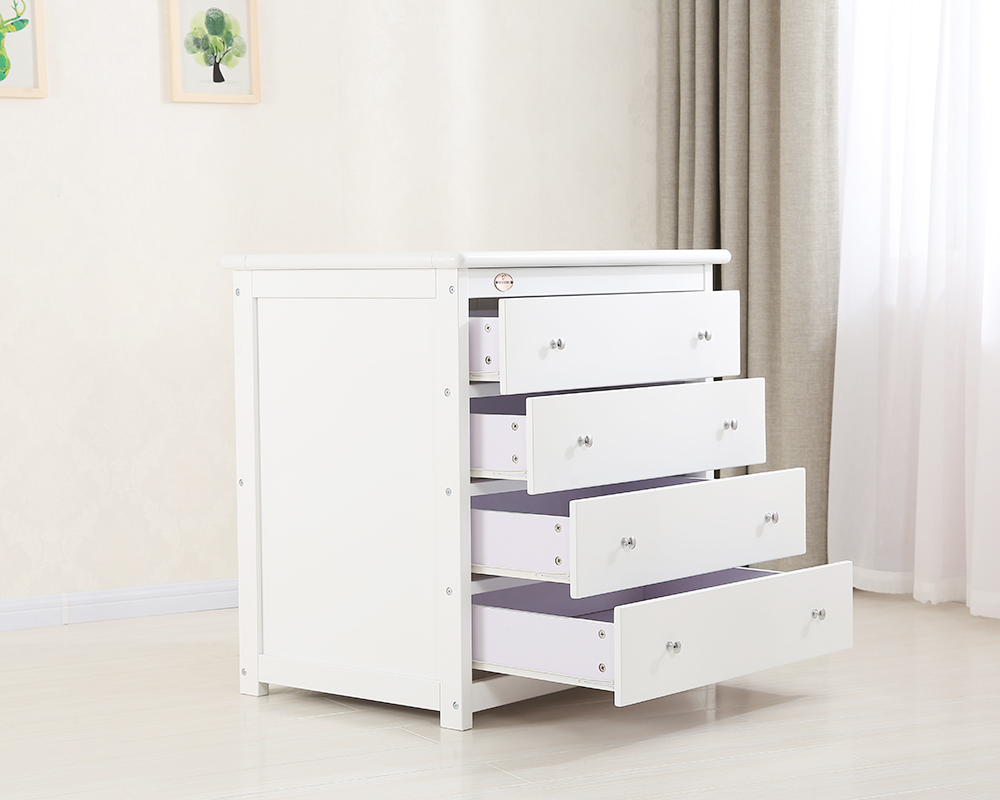
Before diving into the process of choosing the right baby changing table, it's essential to understand why this piece of furniture is so valuable. Here are a few reasons why a baby changing table is an important investment for any nursery:
A baby changing table offers a dedicated space for diaper changes, which can make the process quicker and more organized. Having drawers or shelves allows you to store all the essentials close at hand, reducing the time spent searching for items. Whether it’s diapers, wipes, or lotions, a changing table ensures that everything you need is within reach.
Changing diapers on a bed or other elevated surfaces can be unsafe for both parents and babies. A changing table is designed with safety in mind, featuring raised edges or safety rails to keep your baby secure during changes. The height of the table is also ergonomically designed for parents, reducing strain on the back during diaper changes.
Many baby changing tables come with features that increase their longevity. For example, some tables have a removable changing table top, which allows the table to be repurposed as a dresser or storage unit as your baby grows. This versatility means you get more value out of your purchase in the long run.
When it comes to selecting a baby changing table, there are several different types to consider. Each has its own advantages, and the best choice will depend on your needs, space, and budget. Below are the main types of baby changing tables:
Traditional changing tables are standalone pieces of furniture with a flat changing surface. These tables often come with drawers or shelves for added storage space. Pine wood or MDF are common materials used for these tables, ensuring both durability and aesthetic appeal. Traditional models are perfect if you need a dedicated and stable changing surface.
Combo units combine the functionality of a changing table with that of a dresser or cabinet. These units provide extra storage space for baby essentials while offering a changing surface on top. Combo units are ideal for parents looking for a multifunctional piece of furniture that can serve multiple purposes over the years. The New Zealand pine material, for example, ensures long-lasting durability.
Wall-mounted changing tables are a great space-saving solution for smaller nurseries. These tables are fixed to the wall and often feature a foldable design. When not in use, the table can be folded up, keeping the space tidy. Although wall-mounted options are convenient, they may not provide as much stability as traditional tables, and installation is required.
Portable changing tables are designed for on-the-go parents who need a lightweight and foldable option. These models are often smaller and can be used both at home and when traveling. A portable changing table might not have as much storage space as a traditional or combo unit, but it’s perfect for parents who need convenience and mobility.
Now that you understand the different types of baby changing tables, it’s time to consider the key factors that will help you choose the right one for your nursery. Here are some essential things to keep in mind:
Before purchasing a baby changing table, measure the space in your nursery where you plan to place it. This will help you determine the right size of the table. If you have limited space, a wall-mounted changing table or a portable changing table may be your best option. On the other hand, if you have ample room, you can consider a combo unit or a traditional changing table with ample storage.
The material used in the construction of a baby changing table plays a significant role in its durability. High-quality materials such as pine wood and MDF are both sturdy and long-lasting. Pine wood is particularly known for its natural beauty, and many baby changing tables are crafted from sustainable sources like New Zealand pine. Additionally, tables treated with a polyurethane coating provide protection against scratches and stains, ensuring the table stays in excellent condition for years.
A baby changing table with adequate storage space is essential for keeping all your baby essentials organized. Look for tables with drawers or shelves where you can store diapers, wipes, lotions, and other necessities. Some models feature removable changing table tops, which also offer storage underneath. Ensure that the storage options meet your needs, and consider how much space you require for your baby’s items.
When choosing a baby changing table, safety should be your top priority. Look for tables with raised edges or safety rails to prevent your baby from rolling off during diaper changes. The table should also have a stable and sturdy design to ensure it doesn’t tip over during use. Additionally, make sure the table is made from safe, non-toxic materials, especially if the table is going to be in your baby’s nursery.
A baby changing table is not just a functional item; it’s also a key piece of furniture in your nursery. Consider the style and design of the table, ensuring it matches your nursery decor. Whether you prefer a modern or traditional look, many baby changing tables come in various styles that can complement your existing furniture. Opt for natural finishes such as matte pine wood or New Zealand pine for a warm and inviting atmosphere.
The weight capacity of a baby changing table typically varies depending on the model. Most tables can support up to 50 kg, which is sufficient for most baby-changing needs. Be sure to check the weight limit of the specific model you're considering, and always distribute the weight evenly to avoid stressing the structure.
Most baby changing tables require assembly. While the process can vary by model, most come with detailed instructions and all necessary hardware, such as screws and bolts. It’s recommended to have two people assemble the table to ensure proper construction, and the process typically takes about 2-3 hours.
Pine wood is more susceptible to moisture compared to hardwood, but many baby changing tables are treated with a polyurethane coating to protect against moisture. It’s advisable to keep the changing table away from areas with direct moisture exposure, such as near windows with condensation or humidifiers, to prevent warping.
Yes, many baby changing tables are designed to be versatile. The removable changing table top allows the table to be repurposed as a dresser or storage unit once your baby outgrows the need for diaper changes. This feature ensures long-term use and increases the value of your purchase.
Choosing the right baby changing table for your nursery is an essential step in setting up a comfortable and functional space for your baby. By considering factors like size, material, storage, safety, and style, you can select a table that not only meets your needs but also enhances the overall look of your nursery. Whether you opt for a traditional changing table, a combo unit, or a portable option, it’s important to choose a table that is durable, safe, and versatile. With the right baby changing table, you’ll be ready to handle diaper changes with ease, making your parenting journey a little bit smoother.


