
- All
- Product Name
- Product Keyword
- Product Model
- Product Summary
- Product Description
- Multi Field Search


Views: 0 Author: Site Editor Publish Time: 2026-08-22 Origin: Site


The structural material of a baby bed dictates its safety profile, maintenance requirements, and overall lifecycle. This makes it a major procurement decision for parents and commercial facilities alike. Buyers frequently struggle to weigh the aesthetic and acoustic benefits of wood against the structural durability and sanitation advantages of metal. You often see people relying on marketing claims rather than material science. Modern Cots must perform flawlessly under rigorous daily use. You need a deep understanding of how different materials react to environmental factors, mechanical stress, and routine sanitation. This guide provides a technical breakdown of wooden and metal frames. We evaluate durability, safety standards, and procurement logistics to help you make an evidence-based purchasing decision.
Acoustics vs. Durability: Wood offers superior acoustic dampening (minimizing friction noise), while metal provides unmatched structural integrity and resistance to environmental warping.
The Teething Reality: Midrange wooden cots often utilize softwoods (like pine) that are highly susceptible to bite marks, necessitating teething rails, whereas metal resists cosmetic teething damage but requires rigorous non-toxic powder-coating verification.
Sourcing Impact: Long-term value relies heavily on vendor selection; evaluating a wooden baby cot manufacturer for sustainable sourcing and non-toxic finishes is vastly different from vetting a metal cot supplier for weld integrity and rust prevention.
Meeting stringent safety standards remains the non-negotiable baseline for any infant sleep environment, regardless of the core material. Regulatory bodies such as the Consumer Product Safety Commission (CPSC) in the United States and ASTM International dictate precise structural requirements to prevent entrapment, structural failure, and chemical exposure. Slat spacing must never exceed 2 3/8 inches. This specific measurement prevents an infant's head from passing through the gaps while allowing adequate airflow. Structural load limits undergo rigorous testing through dynamic impact simulations. Testing facilities drop heavy weights onto the mattress support system to ensure the brackets and frame will not collapse under sudden force.
Non-toxic finish certifications are mandatory across the board. Heavy metals, phthalates, and lead must be entirely absent from paints, varnishes, and powder coatings. Infants frequently interact with the frame using their mouths, making biological safety a top priority. You must verify that the manufacturer provides current, third-party laboratory testing results for surface coatings, rather than just taking their word for it.
The intended deployment environment drastically alters the required lifecycle of the furniture. Single-child residential use prioritizes aesthetic integration and long-term convertibility. Wooden frames traditionally excel in this category. They offer robust 3-in-1 or 4-in-1 conversion options that transition the unit from an infant sleep space to a toddler bed, daybed, and eventually a full-sized twin bed frame. Standard metal frames rarely offer this level of multi-stage convertibility, functioning primarily as dedicated infant spaces.
Commercial daycare deployment establishes entirely different baseline requirements. Facilities demand high resistance to frequent sanitation protocols, rapid assembly, and the ability to withstand continuous wear-and-tear from multiple children over successive years. When outfitting a commercial space, evaluate these specific deployment criteria:
Sanitation speed: How quickly can staff wipe down the frame between naps?
Mobility: Does the unit feature heavy-duty casters for rapid room reconfiguration?
Storage footprint: Can the frame fold flat to maximize storage closet space?
Hardware standardization: Can maintenance staff use universal bolts for repairs?
Indoor Air Quality (IAQ) directly impacts infant respiratory health. This makes the chemical footprint of nursery furniture a critical evaluation metric. Volatile Organic Compounds (VOCs) are carbon-based chemicals that off-gas from synthetic materials, paints, sealants, and adhesives at room temperature. High VOC emissions contribute to indoor air pollution and can trigger respiratory irritation in developing lungs. Formaldehyde is a common culprit found in cheap wood glues and composite boards.
Establishing criteria for GREENGUARD Gold or equivalent low-emission certifications ensures the product has undergone rigorous third-party testing for thousands of chemical emissions. Wood products require scrutiny of the glues used in composite components and the clear-coat varnishes applied to the exterior. Metal units require verification that the powder-coating process utilizes low-VOC, baked-on finishes that will not degrade or release harmful compounds into the nursery environment over time.
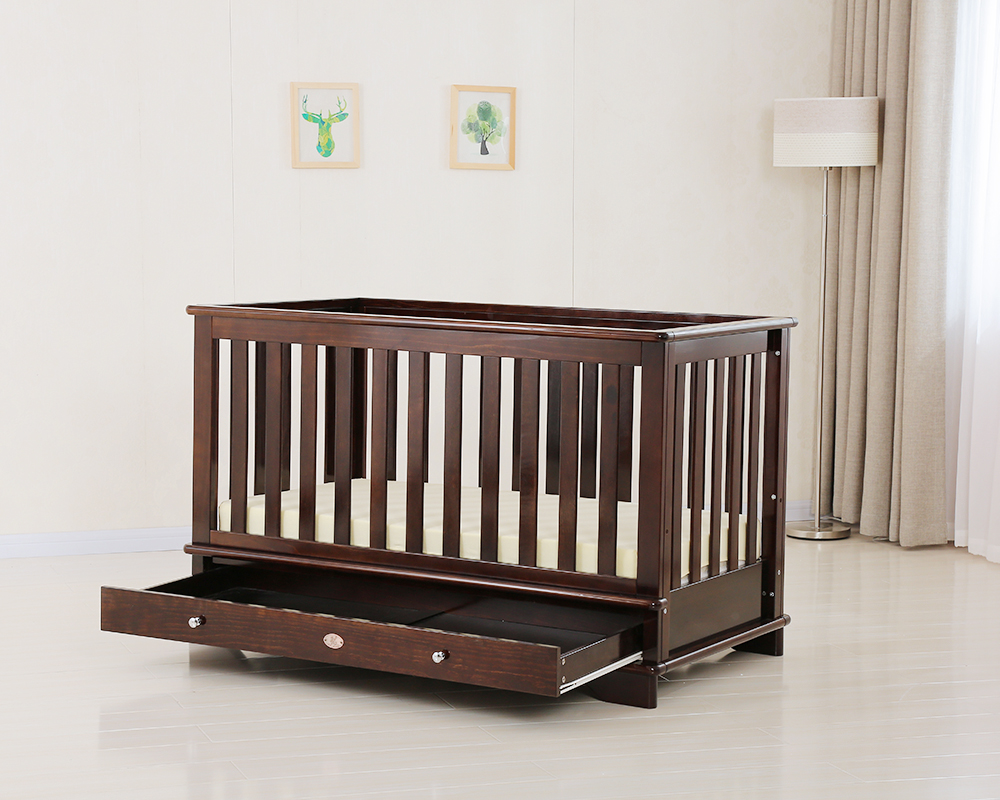
The structural integrity of a wooden frame depends entirely on the density and cellular composition of the specific timber species utilized. Softwoods, primarily pine and cedar, dominate the midrange market due to their rapid growth cycles and ease of milling. However, this lower density results in a softer surface highly susceptible to dents, scratches, and structural fatigue over time. If you look at the Janka hardness scale, pine typically scores around 380 to 420 lbf (pounds-force), making it quite easy to dent with a fingernail.
Hardwoods such as European beech, oak, and birch possess a much tighter grain structure. Beech, for example, scores around 1,300 lbf on the Janka scale. This offers significantly higher resistance to mechanical damage and joint loosening. A common industry practice involves utilizing pine to lower manufacturing costs while maintaining a premium visual aesthetic. Retail positioning is not a reliable indicator of material density. Many high-end, premium-priced units still utilize soft New Zealand pine. Spec-sheet verification of the exact wood species is essential to ensure the physical durability matches the aesthetic appeal.
Infants naturally explore their environment orally. Chewing on crib rails is an unavoidable reality of the teething phase. The tactile response of wood makes it highly attractive to infants seeking relief for sore gums. While metal is completely impervious to bite marks, pediatric experts and parents frequently prefer wood because it is softer and yields slightly under pressure. This characteristic makes it significantly less likely to damage a baby's developing primary teeth during aggressive chewing.
This preference comes with a cosmetic trade-off. Unprotected softwoods will quickly accumulate visible bite marks and gouges. Human saliva contains enzymes that can break down cheap varnishes over time. This reality outlines the strict requirement for food-grade, non-toxic sealants. The finish must remain stable even when subjected to saliva and mechanical scraping, preventing the ingestion of wood splinters or toxic varnish flakes.
Wood possesses natural sound-dampening properties derived from its porous cellular structure. This acoustic advantage plays a crucial role in maintaining a disruptive-free sleep environment. When an infant shifts weight or stands, kinetic energy transfers through the frame. The cellular pockets within the timber absorb these sound waves rather than amplifying them.
Properly engineered wooden joints, specifically those utilizing mortise and tenon construction or heavy-duty barrel nuts, absorb these vibrations effectively. This absorption minimizes friction-induced squeaking and rattling. The inherent mass and density of solid hardwood further deaden sound transmission. Movement within the sleep space does not translate into sharp, metallic noises that could interrupt a sleep cycle.
Metal frames deliver uncompromising structural integrity driven by the high tensile strength of steel and aluminum alloys. Tubular steel construction provides exceptional load-bearing capabilities. It easily supports dynamic weight shifts without bowing or stressing the joint connections. Manufacturers typically use 18-gauge or 20-gauge steel tubing for commercial models, ensuring the frame can withstand heavy daily abuse. Aluminum offers similar structural benefits while significantly reducing the overall weight of the unit, making it ideal for portable designs.
Unlike timber, metal possesses absolute immunity to environmental warping. It will not expand, contract, or crack due to seasonal humidity fluctuations or aggressive climate control systems. This environmental stability ensures the structural geometry remains perfectly aligned over decades of continuous use. You eliminate the risk of loosening hardware caused by material shifting.
The non-porous nature of metal creates an inherently hygienic surface ideal for environments requiring rigorous infection control. Moisture, bacteria, and organic matter cannot penetrate the material. This makes it highly resistant to microbial growth and pests such as bedbugs. In a commercial setting, this is a massive operational advantage.
Maintenance efficiency is maximized because caregivers can apply harsh, hospital-grade disinfectants directly to the frame without degrading the structural material or stripping the finish. High-quality powder coating bonds thermally to the metal during the manufacturing process. This creates a sealed, hard barrier that withstands frequent chemical wipedowns with quaternary ammonium compounds or diluted bleach solutions. This characteristic makes metal the dominant choice for clinical settings, daycare centers, and high-turnover caregiving environments.
Metal excels in design applications requiring spatial efficiency and rapid deployment. The material strength allows for thinner structural profiles, reducing the visual and physical footprint of the unit without compromising safety. This advantage facilitates the integration of complex folding mechanisms and heavy-duty caster wheels.
Lightweight, camp-style cots and foldable metal frames can be collapsed and stored in minutes. Contrast this with the heavy, permanent footprint of solid wood units, which require complete disassembly to move between rooms. The foldable nature of metal frames makes them the ideal solution for space-constrained nurseries, travel applications, or secondary caregiving locations where permanent furniture installation is impractical.
Material Comparison Summary
Evaluation Metric | Wooden Frames | Metal Frames |
|---|---|---|
Acoustic Dampening | High (absorbs kinetic energy) | Low (prone to friction noise) |
Cosmetic Durability | Low to Medium (susceptible to dents) | High (impervious to teething) |
Sanitation Efficiency | Moderate (requires gentle cleaners) | Excellent (withstands harsh chemicals) |
Portability | Low (heavy, permanent footprint) | High (often features folding mechanisms) |
Convertibility | High (often transitions to toddler/twin beds) | Low (typically single-stage use) |
Evaluating longevity requires separating structural failure from cosmetic degradation. Metal frames offer near-absolute resistance to structural failure under normal use, but their cosmetic durability depends entirely on the powder coating. If a metal frame suffers a deep impact that chips the paint, repairing the localized damage is difficult. It leaves the exposed steel vulnerable to oxidation and rust.
Wood is highly vulnerable to cosmetic damage such as scratches, belt-buckle dings, and bite marks. However, wood offers superior repairability. Minor cosmetic damage on a solid hardwood frame can be sanded, color-matched, and refinished. This restores the unit to its original aesthetic condition. This repairability extends the visual lifespan of wood in residential settings, allowing parents to pass the furniture down to younger siblings looking brand new.
The mechanical connections dictate the long-term stability of the frame. Wooden units frequently rely on threaded metal inserts embedded into the timber to accept assembly bolts. Over multiple assembly and disassembly cycles, the surrounding wood fibers can compress or strip. This leads to loose joints and structural wobbling. Premium wooden units mitigate this by using cross-dowel barrel nuts, which provide a metal-on-metal connection independent of the wood's internal thread strength.
Metal frames utilize welded joints and heavy-duty machine bolts that thread directly into reinforced steel brackets or nutserts. This metal-on-metal assembly mechanic ensures the hardware can be torqued tightly without fear of stripping the surrounding material. You maintain rigid stability through countless reassemblies and facility moves.
Material choice fundamentally anchors the broader interior design strategy of the nursery space. Wood delivers a traditional, warm aesthetic that integrates seamlessly with existing residential furniture. The natural grain patterns and varied stain options allow for precise color matching with dressers, changing tables, and architectural trim.
Metal introduces an industrial, modern, or minimalist visual profile. The slender tubing and painted finishes offer a distinct vintage or contemporary appeal depending on the casting style. While wood grounds a room with visual weight, metal creates an airy, open aesthetic that prevents smaller nurseries from feeling visually cramped.
Securing a durable timber frame requires looking past the surface finish to evaluate the underlying manufacturing processes. Evaluating a reputable wooden baby cot manufacturer requires verifying their timber sourcing protocols. Forest Stewardship Council (FSC) certification ensures the wood is harvested sustainably. The kiln-drying process is equally critical. Timber must be dried to a precise moisture content (typically between 6% and 8%) to prevent post-manufacturing warping or splitting. You must demand transparent finish testing documentation to confirm the absence of heavy metals and VOCs in the final clear coat or paint application.
Procuring reliable metal frames demands strict attention to metallurgical specifications and coating technologies. Vetting a reliable metal cot supplier demands verification of the steel or aluminum gauge used in the primary load-bearing tubes. Thinner gauges reduce shipping weight but increase the risk of denting under impact. The quality of the powder-coating process must be scrutinized to prevent flaking and ensure a uniform, non-toxic barrier. Suppliers must demonstrate adequate rust-prevention treatments, particularly for units destined for humid climates or facilities utilizing liquid sanitizers.
Commercial facilities outfitting multiple rooms face complex logistical challenges that dictate material selection. Procuring wholesale nursery cots involves analyzing the logistics of bulk purchasing, shipping volume, and assembly labor. Flat-pack shipping costs heavily favor metal frames, which often feature collapsible designs that maximize pallet density. Assembly time at scale is a critical metric. Metal units with integrated hinges or standardized bolt patterns drastically reduce the man-hours required for facility deployment. Commercial buyers must ensure the availability of standardized replacement parts, prioritizing models that utilize universal hardware rather than proprietary wooden components that are difficult to source post-purchase.
Deploying wooden frames introduces specific vulnerabilities that require proactive management. The primary risk involves cosmetic and structural damage from teething. The mandatory installation of specialized teething rails on softwood models is highly recommended. These protective plastic or fabric covers shield the top rail from bite marks, protecting both the furniture's finish and the infant's developing teeth.
Environmental risks also require mitigation. Because wood is hygroscopic, it responds to ambient moisture. Implementing strict climate control and humidity monitoring within the nursery prevents the timber from expanding in summer or contracting in winter. Maintaining a stable relative humidity between 40% and 60% prevents joint loosening and eliminates the risk of the wood cracking along the grain.
While structurally robust, metal frames present unique acoustic and environmental challenges. The primary risk is friction noise generated by metal-on-metal contact at the assembly joints. Implementing a strict maintenance schedule for tightening all hardware every three months prevents the frame from developing squeaks or rattles. Use a torque wrench to ensure bolts are not over-tightened, which can stress the welds.
Environmental risks center on oxidation. Routine visual inspections are necessary to identify paint chipping or deep scratches that expose the raw steel. In humid environments or coastal areas, exposed steel will rapidly oxidize. Applying a non-toxic touch-up sealant to any compromised areas immediately prevents the spread of rust and maintains the hygienic integrity of the frame.
Request physical material samples from shortlisted vendors to evaluate wood density or metal gauge thickness firsthand.
Demand current, third-party laboratory testing certificates proving compliance with CPSC/ASTM standards and GREENGUARD Gold emission limits.
Calculate your facility's assembly labor and sanitation time to determine if a folding metal frame or a stationary wooden frame better suits your daily operations.
Review the warranty terms specifically regarding cosmetic damage, rust prevention, and the availability of replacement hardware over a five-year period.
A: Yes, wood naturally dampens sound and experiences less friction noise at the joints compared to metal. The cellular structure of timber absorbs kinetic energy, preventing vibrations from translating into sharp sounds, provided the assembly hardware is tightened properly.
A: Yes, provided the cot uses non-toxic, lead-free, and phthalate-free finishes. Wood is often preferred over metal for heavy chewers because it is softer on developing teeth. However, softwoods will dent easily, making the installation of protective teething rails highly recommended.
A: High-quality metal cots are treated with baked-on, rust-resistant powder coatings that seal the underlying steel. Rust is typically only an issue if this protective coating is deeply scratched or chipped and subsequently exposed to high humidity or frequent liquid sanitation.
A: Hardwoods such as beech, birch, or oak are vastly superior to softwoods like pine. Hardwoods resist denting, scratching, and structural fatigue over time. Always verify the exact wood species on the specification sheet, as even premium-priced models sometimes utilize softer pine.
A: Wholesale models designed for commercial use prioritize heavy-duty hardware, non-porous finishes for rapid sanitation, and standardized replacement parts. They focus on raw structural endurance and spatial efficiency rather than intricate aesthetic details or multi-stage convertibility features common in retail models.
A: While highly durable, thin-gauge tubular metal can dent upon heavy impact. Evaluating the steel or aluminum gauge during procurement prevents this issue. High-gauge steel frames are virtually immune to bending or denting under normal infant or toddler use.


